Start my journey

Santa Marta
Caribbean Coast

Santa Marta

The oldest city in Colombia. The gateway to everything wild.

Tropical Hot ☀️ Best: Dec – Apr (dry season, best for beaches and trekking). The Tayrona National Park closes annually in February (first half), June (first half), and mid-October to early November. Jul brings a brief dry spell called the veranillo. Sep-Oct is the wettest period.
About

About Santa Marta

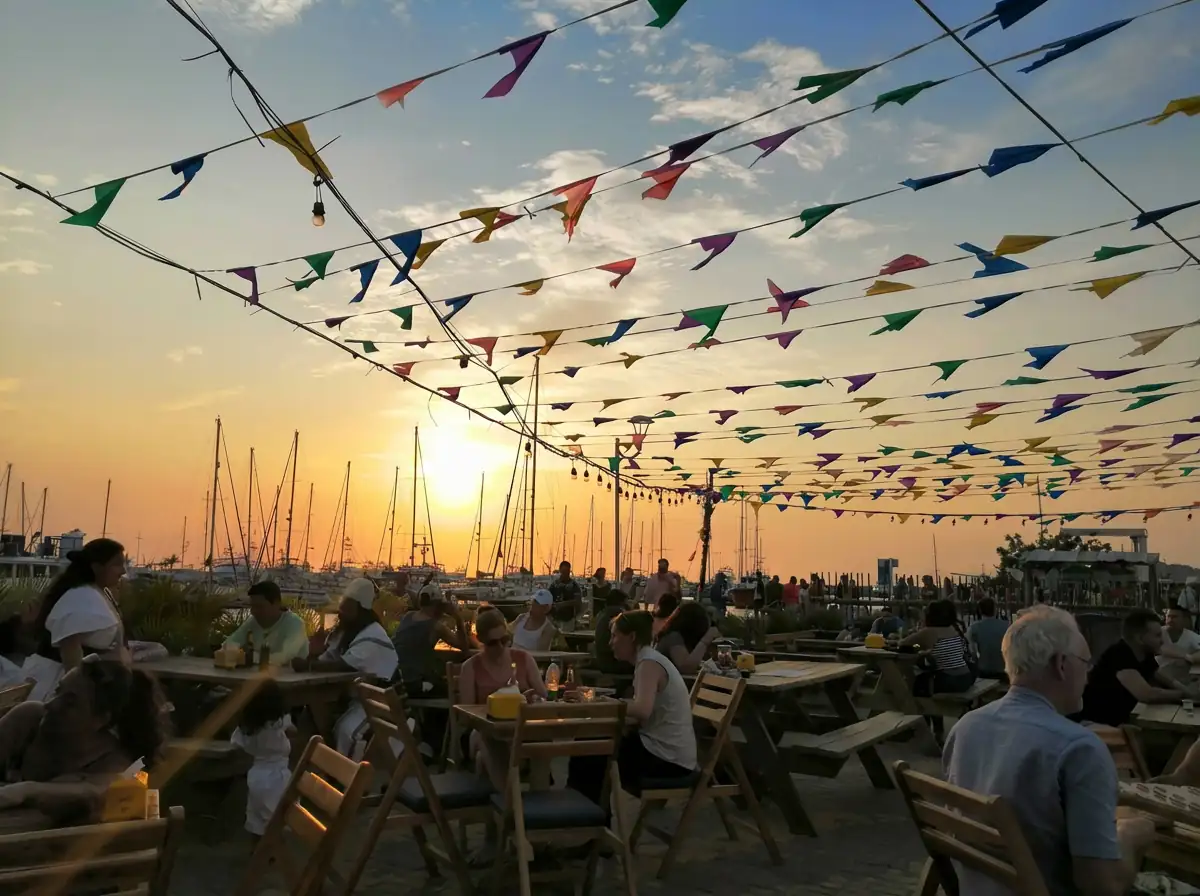
Founded in 1525 by the Spanish explorer Rodrigo de Bastidas, Santa Marta is the oldest surviving city in South America. That distinction sits lightly on a city that feels genuinely alive rather than historically preserved. The historic center has cafes on colonial streets, the waterfront has a working harbor, and the Sierra Nevada de Santa Marta rises directly behind the city to 5,775 meters at its twin peaks, Pico Cristóbal Colón and Pico Simón Bolívar. This is the highest coastal mountain range on Earth, rising from sea level to permanent snow in less than 50 kilometers.

Santa Marta contains multiples. Minca, an hour up into the Sierra Nevada by jeep, is a cloud forest village at 650 meters with coffee farms, waterfalls, and a temperature 10 degrees cooler than the coast. Taganga, a fishing village 15 minutes north, is the preferred base for divers exploring the Caribbean reefs. And Tayrona National Natural Park begins at the city's northeastern edge, where the road into the jungle ends and the trails begin.

Simón Bolívar, the liberator of six South American nations, spent his final days in Santa Marta in 1830 and died at the Quinta de San Pedro Alejandrino, a colonial estate that still stands on the city's outskirts. The Kogi, Wiwa, Arhuaco, and Kankuamo communities, descendants of the ancient Tairona civilization, still live in the Sierra Nevada and consider the entire mountain range a sacred territory. Santa Marta is where Colombia's history and its oldest living cultures meet.
Santa Marta
Ready to explore Santa Marta?
Let us design your trip around the places that matter.
Start planning
Weather

Climate Month by Month

Plan your trip around Santa Marta's seasonal patterns.

Jan
☀️
28°  /  24°
Feb
☀️
28°  /  24°
Mar
☀️
29°  /  25°
Apr
29°  /  25°
May
🌧️
29°  /  25°
Jun
🌧️
29°  /  26°
Jul
29°  /  26°
Aug
🌧️
29°  /  26°
Sep
🌧️
29°  /  26°
Oct
⛈️
29°  /  26°
Nov
🌧️
29°  /  25°
Dec
☀️
28°  /  24°
Getting Here

How to Get to Santa Marta

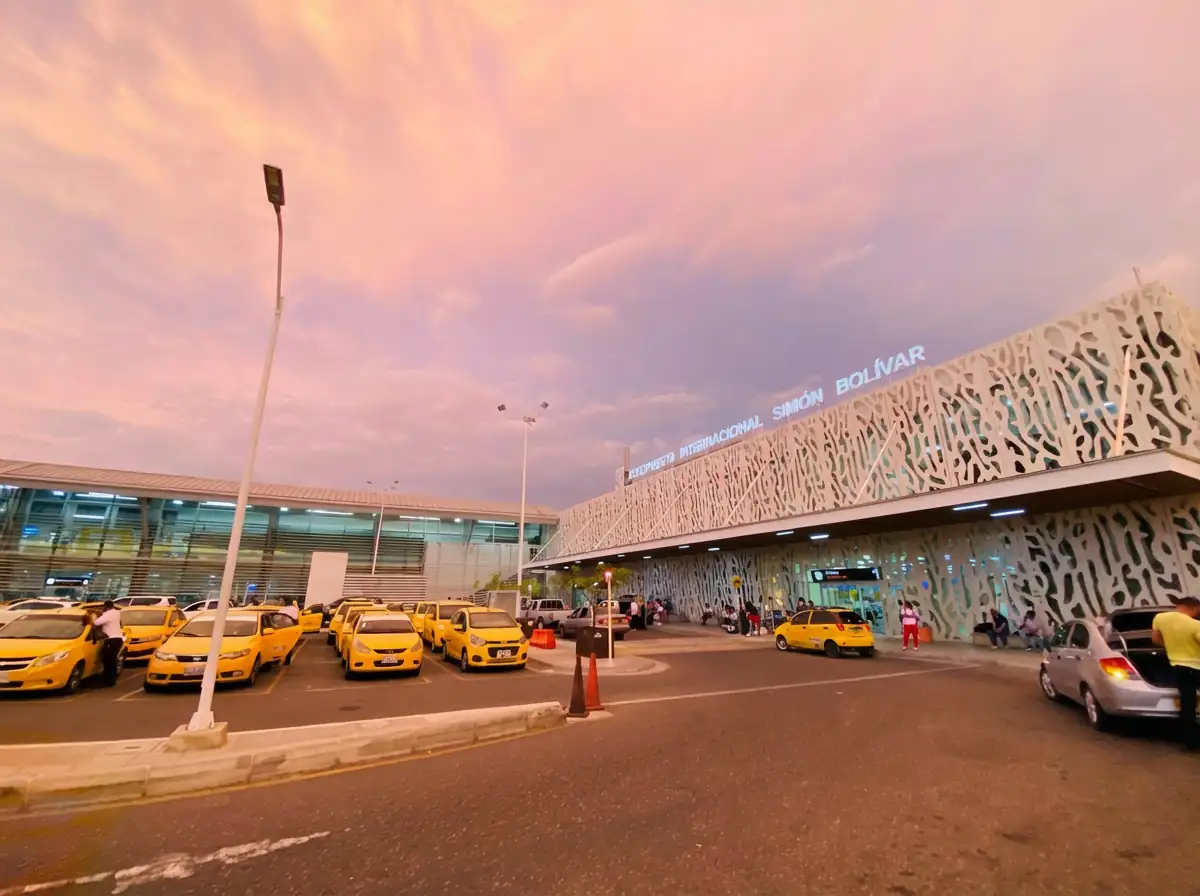
Simón Bolívar International Airport (SMR) is 15 kilometers south of the city. Direct flights from Bogotá (1h 30m), Medellín, and some international connections. The airport is small; book flights early during high season.From the airport to the city center: 20-30 minutes by taxi or Uber. From Santa Marta to Tayrona National Park: 45 minutes by taxi or shared bus (busetas depart from Mercado Público). From Santa Marta to Ciudad Perdida trailhead (El Mamey): approximately 2.5 hours by road.
Getting to Santa Marta
Where to Stay

Best Areas in Santa Marta

Each neighborhood offers a different side of the city.

Centro Histórico
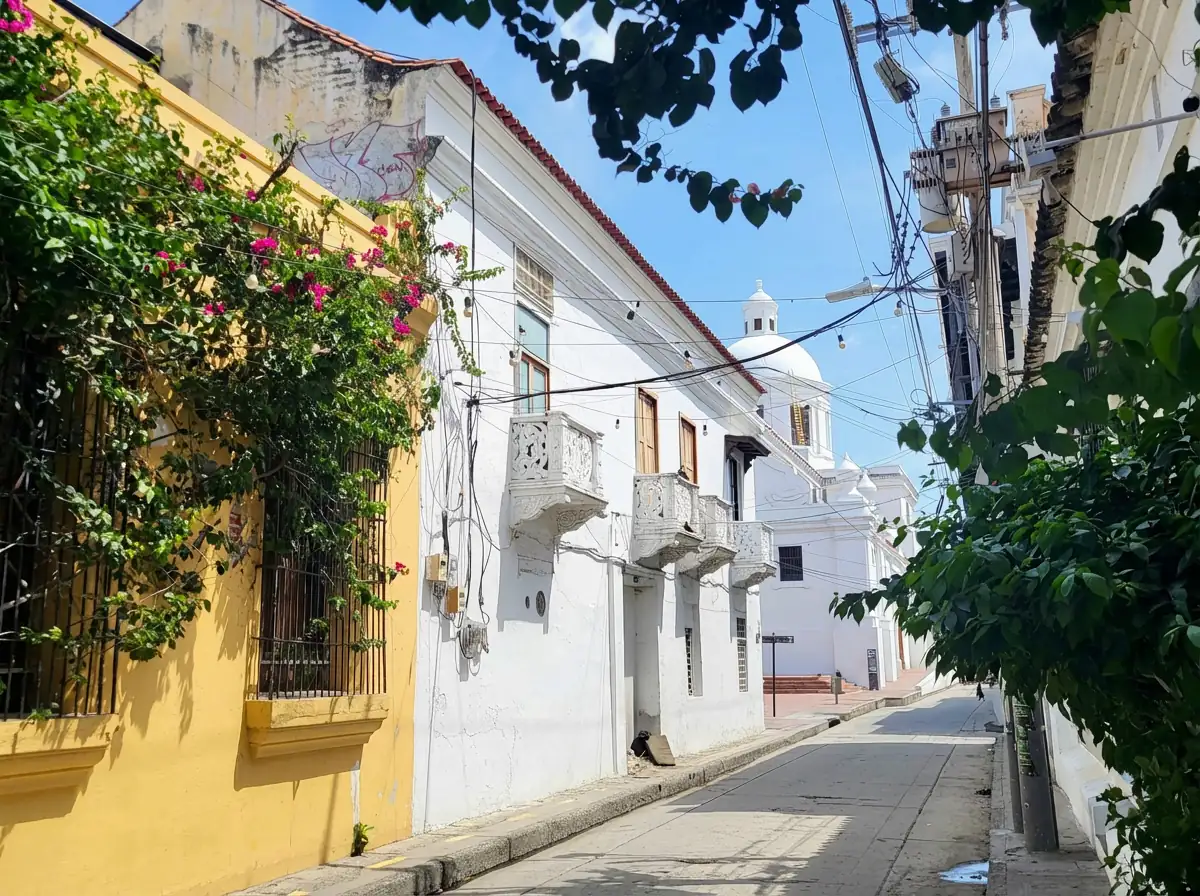
The colonial heart of the oldest city in South America. Plaza de Simón Bolívar, the Cathedral of Santa Marta, and the Museo del Oro Tairona are all here. Safe and lively during the day and early evening.
El Rodadero
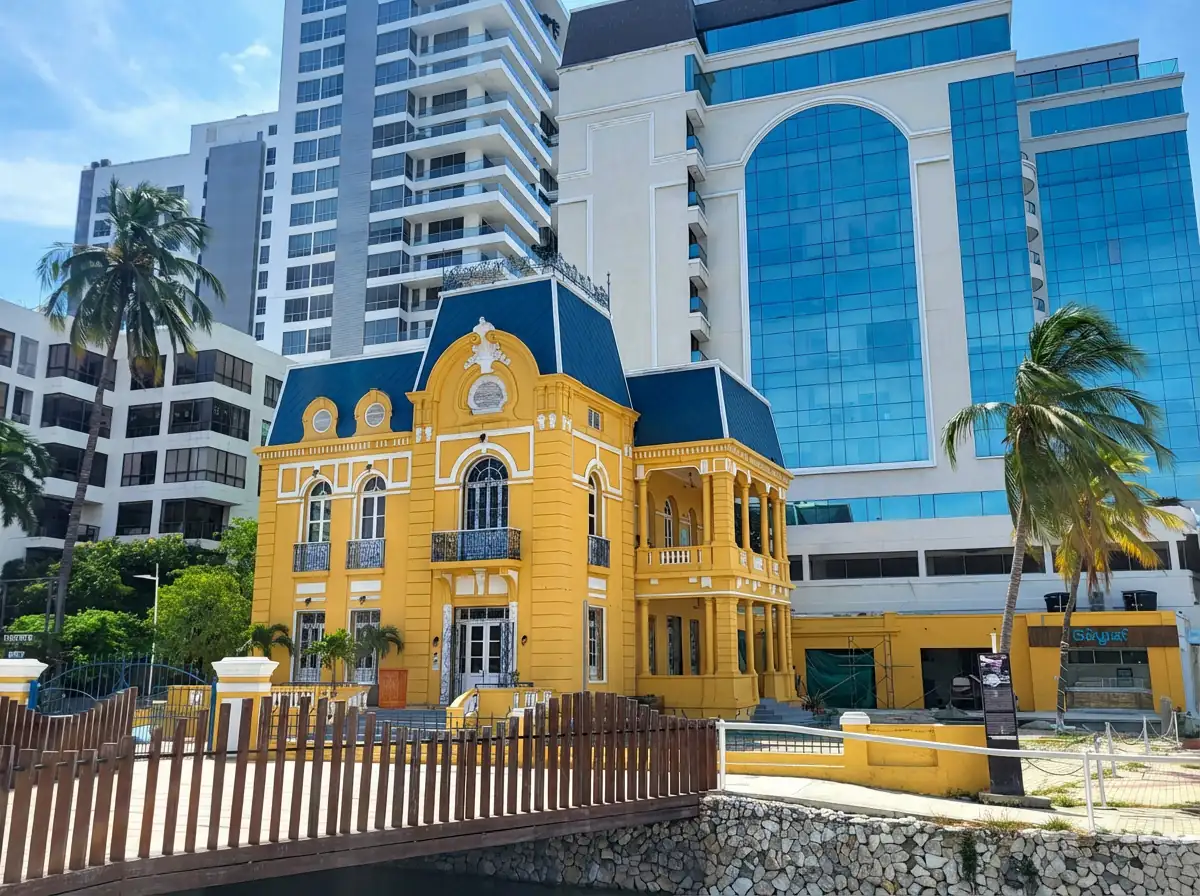
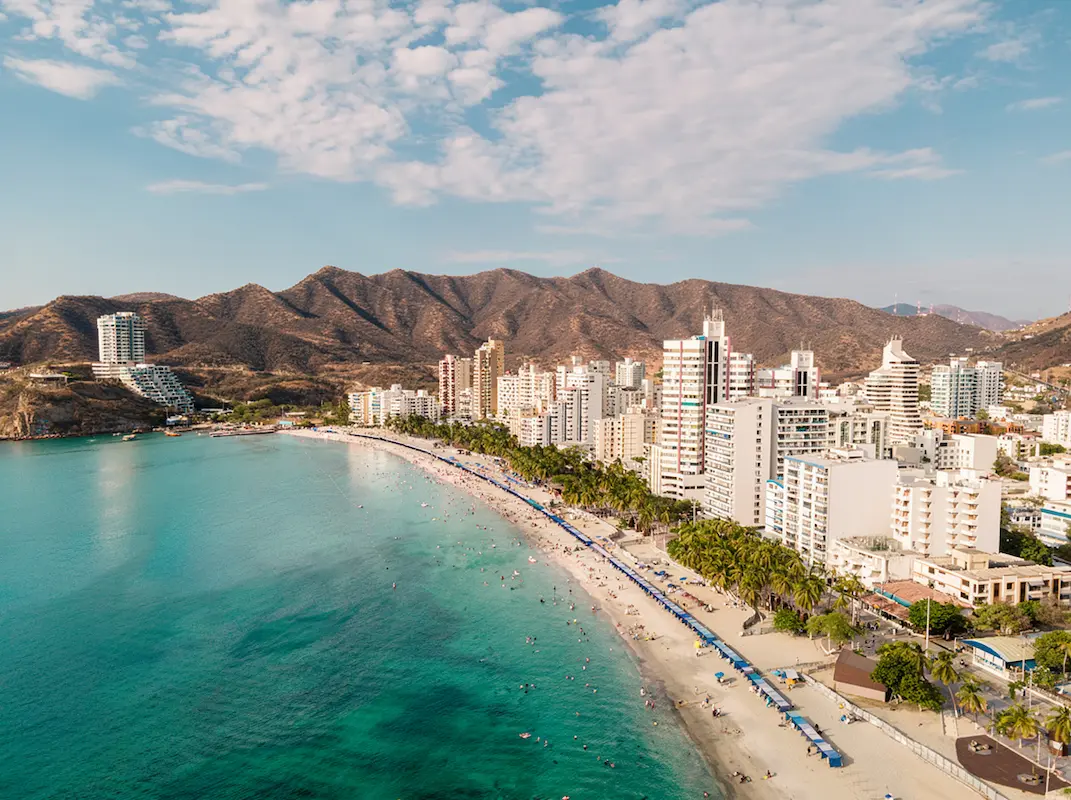
The modern beach district 4 kilometers south of the historic center. High-rise hotels, restaurants, and a long public beach. More mass tourism than the city center but convenient for families. The calm bay is good for swimming.
Minca
A cloud forest village 650 meters up in the Sierra Nevada, 1 hour from Santa Marta by jeep. Coffee farms, waterfalls (Pozo Azul, La Candelaria), and hammocks. No nightlife, no city noise. A complete change of environment in under an hour.
Taganga
A small fishing village 15 minutes north of the city center by taxi. Caribbean atmosphere, affordable diving, and direct boat access to beaches inside Tayrona National Park. Less development than El Rodadero.
Gastronomy

What to Eat in Santa Marta

Colombia's culinary scene is as diverse as its landscapes.
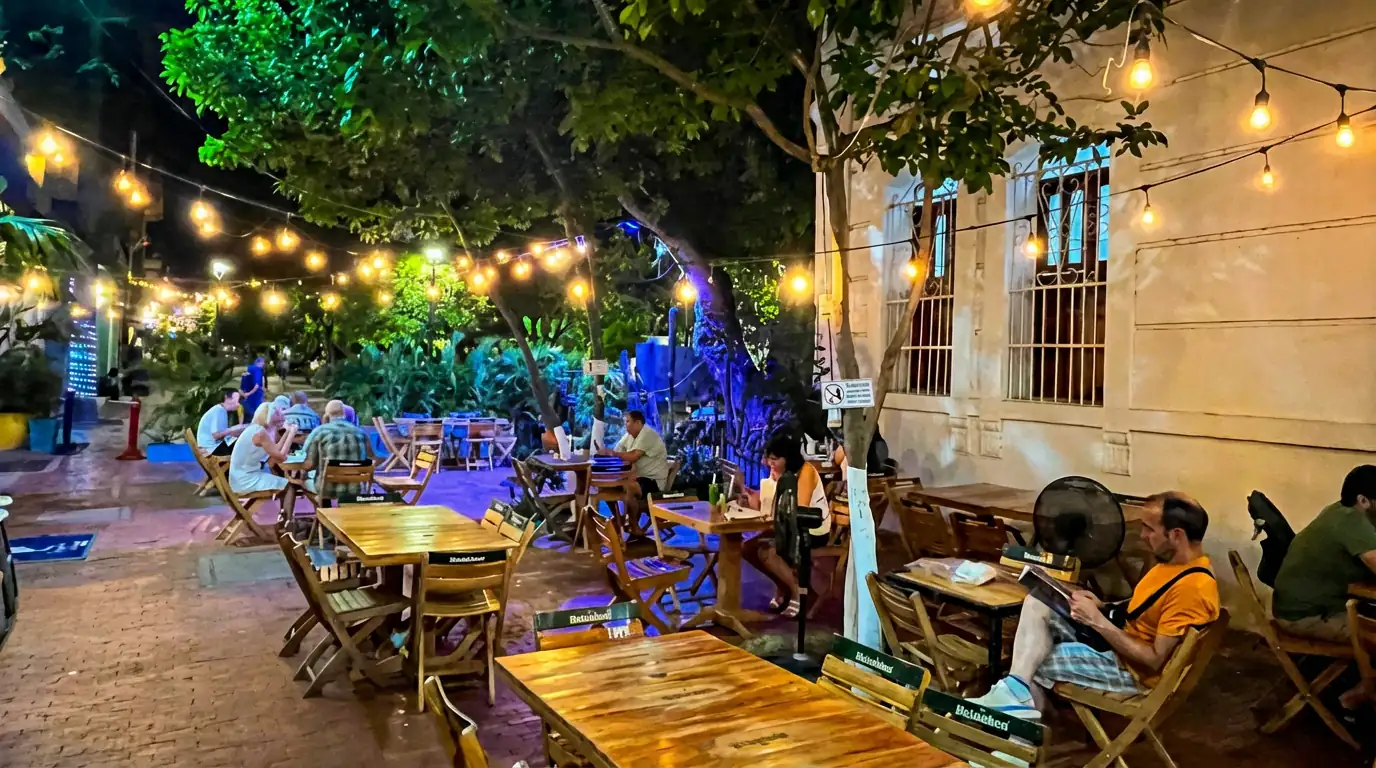
Food in Santa Marta
Cazuela de Mariscos
A rich seafood stew with shrimp, fish, octopus, and clams in a creamy tomato and coconut broth. The definitive dish of the Caribbean coast, found in its best version in Santa Marta's harbor-side restaurants.
Patacones con Hogao
Twice-fried green plantain discs served with hogao (a cooked salsa of tomato and green onion). Eaten as a side dish or snack throughout the Caribbean coast.
Friche
A spiced goat or pork intestine stew, part of the coastal cooking traditions that predate the arrival of the Spanish. Served at markets and local fondas. An acquired taste worth trying.
Bollo de Mazorca
Steamed corn masa cooked in a corn husk, eaten warm with butter or white cheese. Sold from baskets at the central market and from street vendors near the waterfront.
Agua de Coco
Fresh coconut water, sold by vendors with machetes throughout the beach areas and along the road to Tayrona.
Sierra Nevada Coffee
Coffee grown in the indigenous communities of the Sierra Nevada, increasingly sold at specialty cafes in the historic center. Look for the origin label; it is among the highest-altitude Arabica grown in Colombia.
Travel Tips

Practical Information

Currency
Colombian Peso (COP). ATMs in the city center and El Rodadero. Tayrona National Park accepts cards at the main entrance; bring cash for food and eco-lodge bookings inside.
Visa
No visa required for USA, UK, EU, Canada, Australia. 90 days on passport stamp.
Electricity
110V / Type A and B plugs.
Tayrona Closures
The national park closes annually: Feb 1-15, Jun 1-15, and approximately Oct 19 - Nov 2. Verify exact dates for the year of travel before booking. Park entrance fee payable at the main Calabazo gate.
Heat
Santa Marta city is hot and humid (28-29°C) year-round. Minca is significantly cooler. Carry water on all hikes inside Tayrona.
SIM Card
Claro and Tigo at the airport and in shopping centers. Signal inside Tayrona Park is limited.
Time Zone
UTC-5 year-round.
Ciudad Perdida
The Lost City trek departs from El Mamey trailhead, 2.5 hours by road from Santa Marta. Only licensed operators with indigenous guide certification can run this route. Minimum 4 days.
Travel Safety

Is Santa Marta Safe?

🛡️ Safe for Tourists

Santa Marta's tourist areas (Centro Histórico, El Rodadero, Minca, Taganga, and the road to Tayrona) are safe for visitors following standard precautions. The city has improved significantly as tourism has developed. As with all Caribbean coast cities, be aware of petty theft in crowded markets and beach areas.

The historic center is safe for evening walks around Plaza de Simón Bolívar and the waterfront.
The inner blocks of the central market (Mercado Público) require vigilance with bags and phones.
Taganga is safe during the day; exercise care after midnight. Minca is entirely relaxed.
On the road to Tayrona, do not leave valuables visible in parked vehicles at the park entrance lots.
Uber and InDriver work in Santa Marta. Taxis are also generally reliable; agree on price before entering.
At beaches inside Tayrona, do not leave valuables unattended. Lock everything in the eco-lodge provided storage.
Location

Where is Santa Marta?

Santa Marta
Santa Marta
Santa Marta
Santa Marta
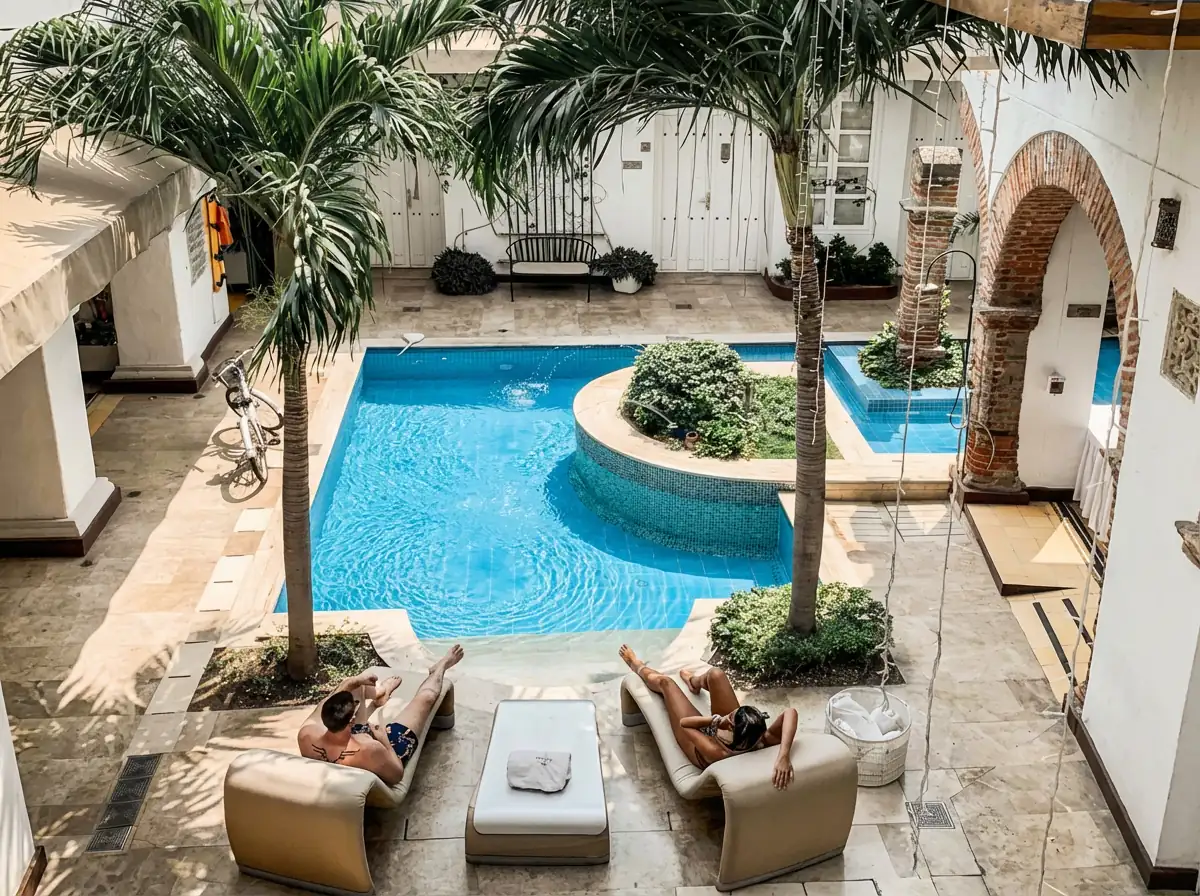
Couple in a boutique hotel
Santa Marta
Santa Marta
The Good Traveler
Online · Typically replies fast
Hi! Ready to explore Santa Marta?
Send us a message and we'll help you plan your perfect trip.
Continue on WhatsApp
or
Got it — we'll be in touch!
We'll contact you within a few hours on your preferred channel.