
Eje Cafetero
The landscape UNESCO recognized. The pace the world forgot.
About Eje Cafetero
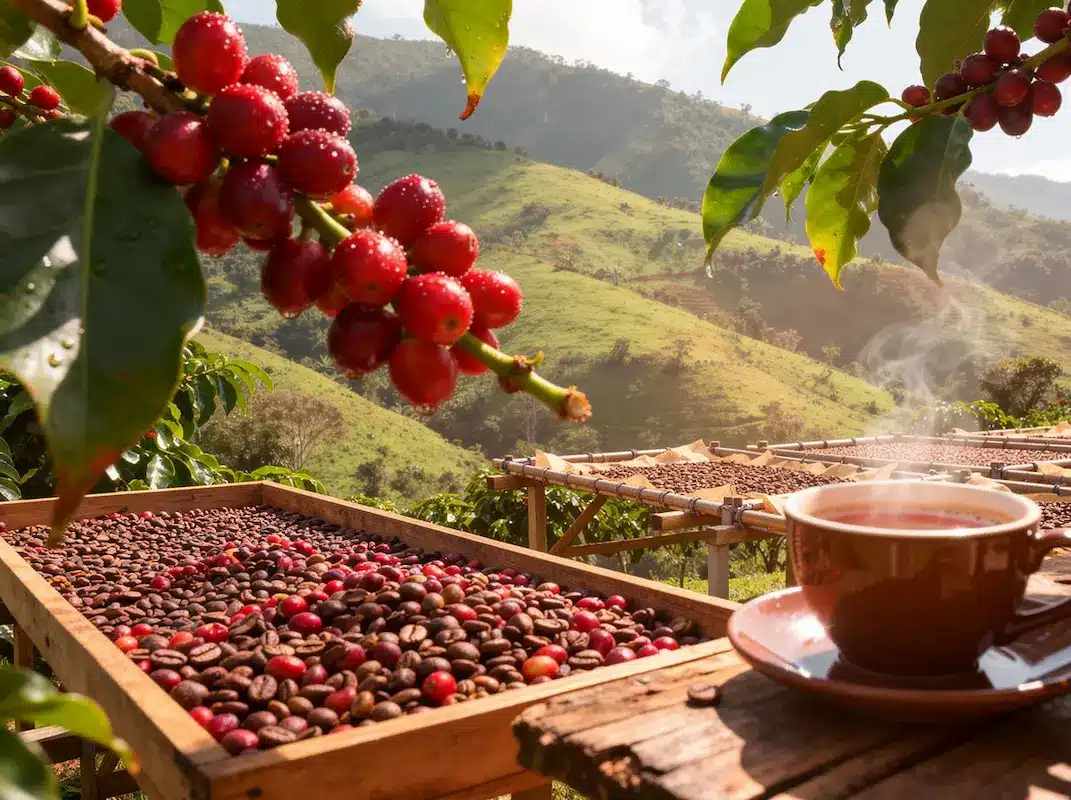
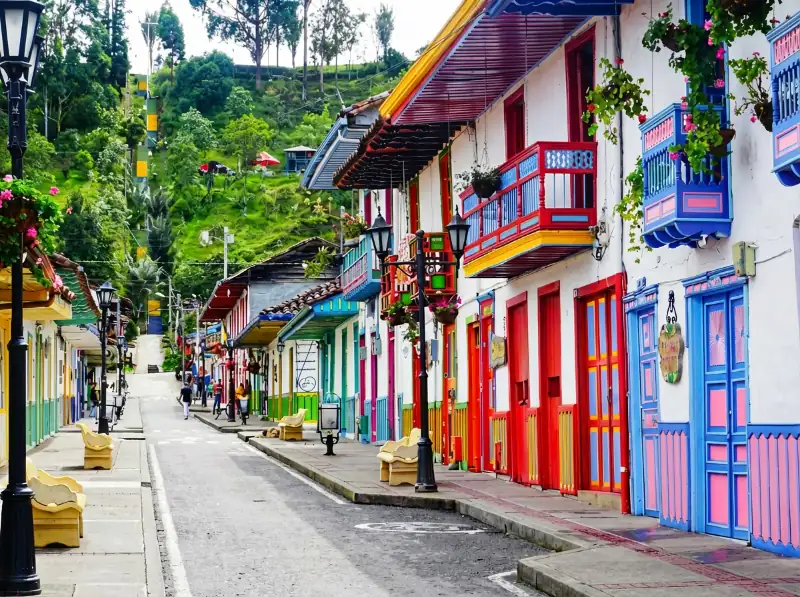
The Eje Cafetero is three things at once. It is the most important coffee-producing region in Colombia, growing the Arabica beans that placed Colombian coffee among the most recognized in the world. It is a landscape of exceptional beauty: volcanic soil producing an impossible green, rivers cutting through steep ridges, and the Cocora Valley where wax palms, Colombia's national tree and the tallest palm species on Earth at up to 60 meters, stand against the cloud forest like sentinels. And it is a network of colonial towns, heritage pueblos with white facades and ornate wooden balconies, where the afternoon moves slowly and the coffee is always fresh.
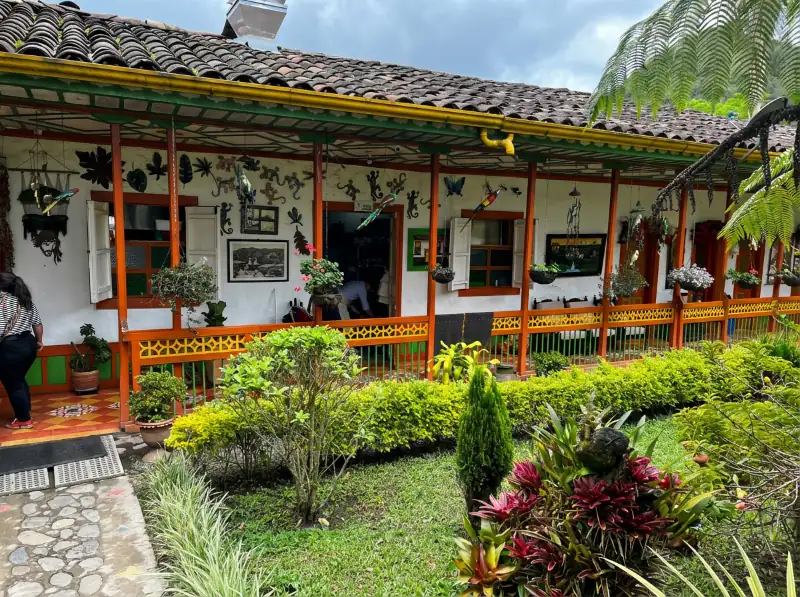
The UNESCO Cultural Landscape of Coffee-Growers of Colombia was designated a World Heritage Site in 2011. The designation recognized not just the landscape but the entire cultural system: the towns, the fincas, the wet processing techniques that separate Colombian Arabica from commodity coffee, and the family structures that built the region over generations. Salento is the most visited of the pueblos and for good reason, but Filandia, Jardín (in the neighboring department of Antioquia), and Circasia each have their own character and receive a fraction of the visitors.
Visiting a working finca means following the coffee cherry from tree to cup, through the wet processing that happens in the hours after harvest. In the Eje Cafetero, slow travel is not a philosophy. It is simply the speed at which the place operates.
Climate Month by Month
Plan your trip around Eje Cafetero's seasonal patterns.
How to Get to Eje Cafetero
Best Areas in Eje Cafetero
Each neighborhood offers a different side of the city.
What to Eat in Eje Cafetero
Colombia's culinary scene is as diverse as its landscapes.
Practical Information
Is Eje Cafetero Safe?
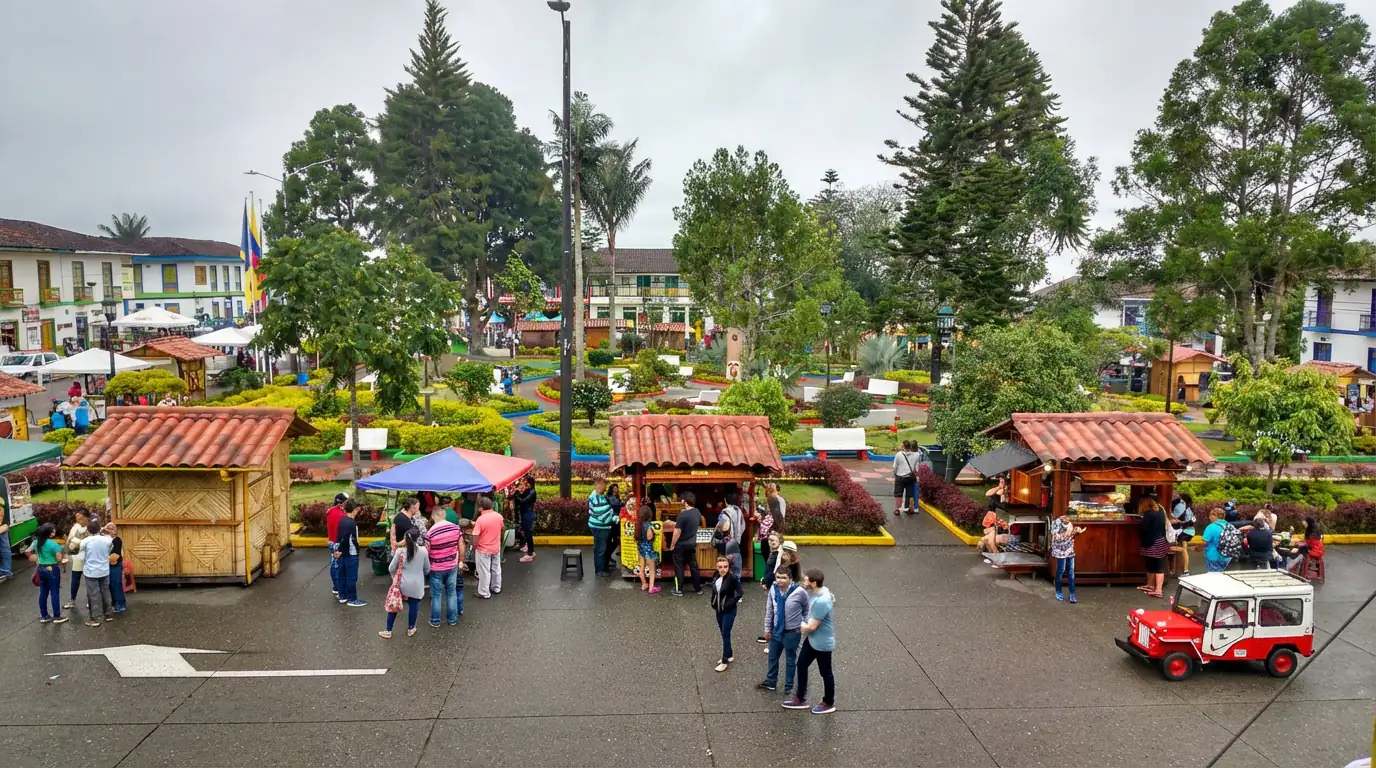
✅ Very SafeThe Eje Cafetero is one of the safest regions in Colombia for travelers. The main towns, haciendas, and rural roads are well-patrolled. Petty theft in the main plazas of Salento on busy weekends is the primary concern, not violence. The region has no significant security issues for tourists exercising normal awareness.
Where is Eje Cafetero?