Start my journey

Cartagena
Caribbean Coast

Cartagena

Five centuries of history. Still the most alive city in Colombia.

Tropical Hot ☀️ Best: Dec – Apr (dry season, least humidity, best beach conditions). Jul is a brief dry spell within the wet season. Oct is the wettest month and best avoided for beach days, though the city itself remains functional.
About

About Cartagena

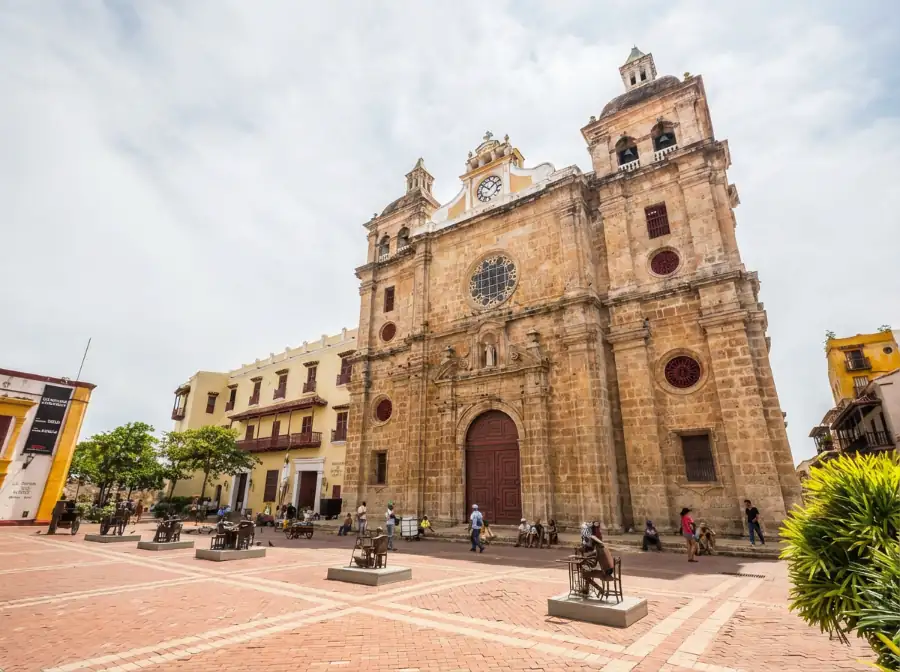
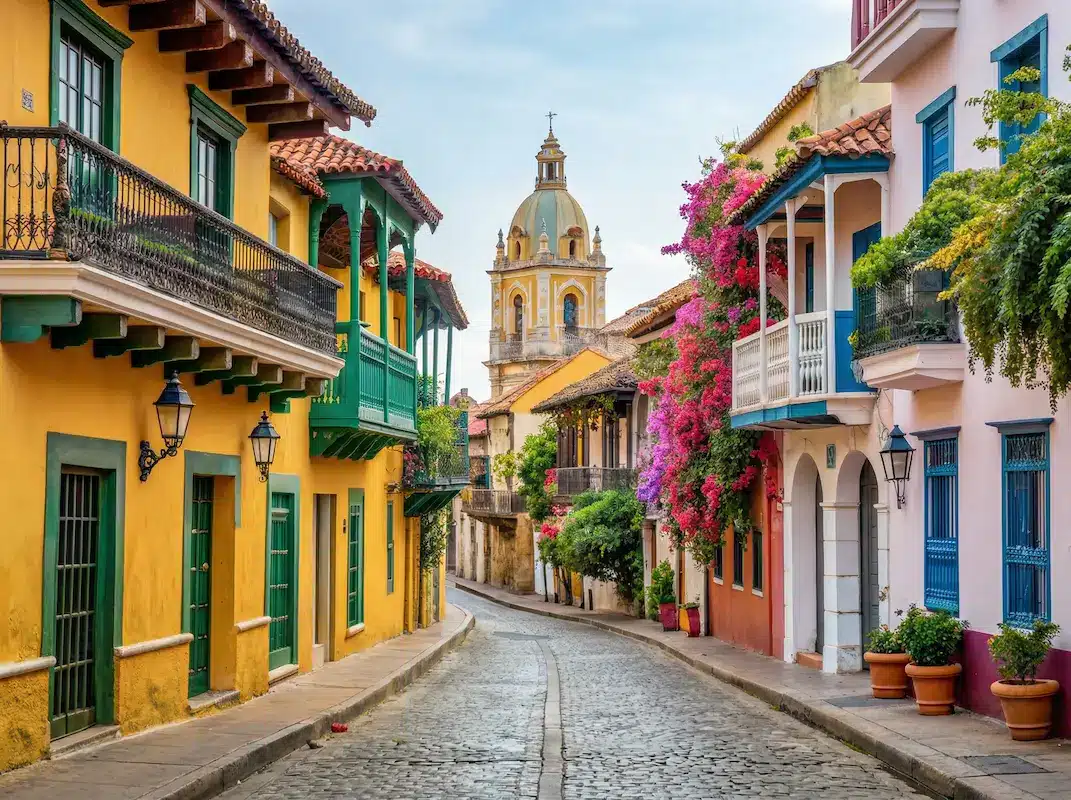
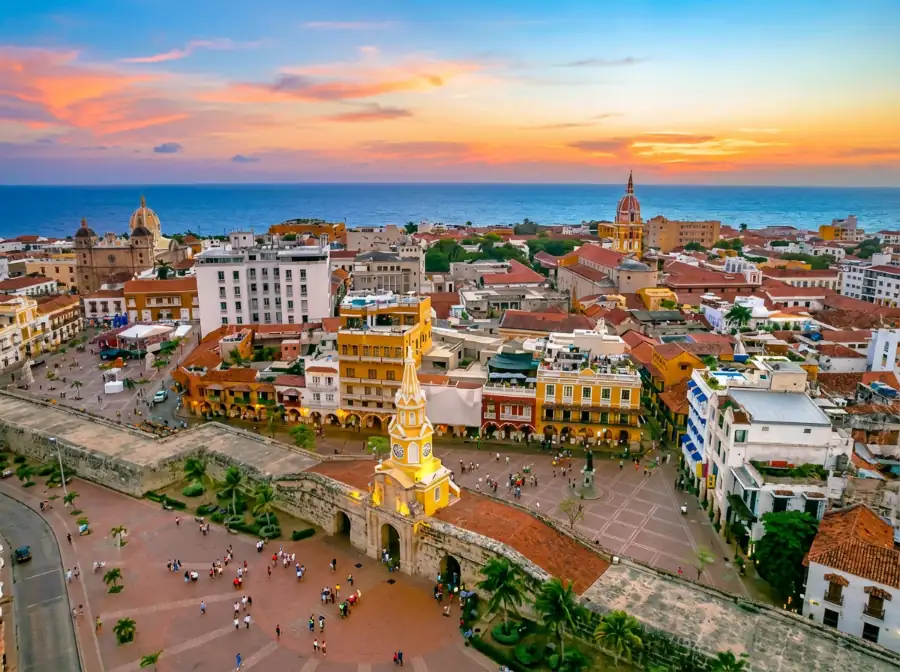
Cartagena is old in the best possible way. The walls of the historic center have been standing since the 16th century, enclosing a grid of narrow streets, baroque church facades, and balconies overflowing with bougainvillea. The reality beneath the postcard is more interesting: this was one of the most important ports in the Spanish colonial empire, the arrival point for enslaved people from West Africa and the exit point for gold leaving for Spain.

That history is not decorative here. It lives in the architecture of Getsemaní, the former enslaved quarter now home to the most vibrant street art, local restaurants, and nightlife in the city. It lives in Palenque de San Basilio, a village 70 kilometers south that was the first free Black town in the Americas, established by escaped enslaved people in the 17th century, and a UNESCO World Heritage site since 2005. It lives in the cooking, which blends Caribbean coastal traditions with West African ingredients in ways no other Colombian city replicates.

The Rosario Islands are a national park of 27 islands, 45 minutes by boat from the city. The water is Caribbean clear and the coral reefs are among the most accessible in Colombia. Cartagena is the Colombia most people imagine before they arrive. The surprise is how much more there is beneath the surface.
Cartagena
Ready to explore Cartagena?
Let us design your trip around the places that matter.
Start planning
Weather

Climate Month by Month

Plan your trip around Cartagena's seasonal patterns.

Jan
☀️
31°  /  24°
Feb
☀️
32°  /  25°
Mar
☀️
32°  /  25°
Apr
☀️
32°  /  26°
May
🌧️
32°  /  26°
Jun
🌧️
32°  /  27°
Jul
32°  /  27°
Aug
🌧️
32°  /  27°
Sep
🌧️
32°  /  27°
Oct
⛈️
30°  /  26°
Nov
🌧️
30°  /  26°
Dec
☀️
31°  /  25°
Getting Here

How to Get to Cartagena

Rafael Núñez International Airport (CTG) is 3 kilometers from the walled city. Direct flights from Miami, New York, Fort Lauderdale, Bogotá, Medellín, and Cali. Flight time from Miami: approximately 3 hours.From the airport to the historic center: the best option is to arrange pickup through your travel agency, your driver will be waiting at arrivals, ensuring a smooth start to your trip. Alternatively, Uber and DiDi work well. The ride takes 10–15 minutes. The walled city is compact and best explored on foot.
Getting to Cartagena
Where to Stay

Best Areas in Cartagena

Each neighborhood offers a different side of the city.

Ciudad Amurallada (Walled City)
The historic core enclosed by 11 kilometers of 16th-century walls. Hotels here range from boutique colonial mansions to international chains. Walking distance to all major sights. Day and evening atmosphere is safe for tourists.
Getsemaní
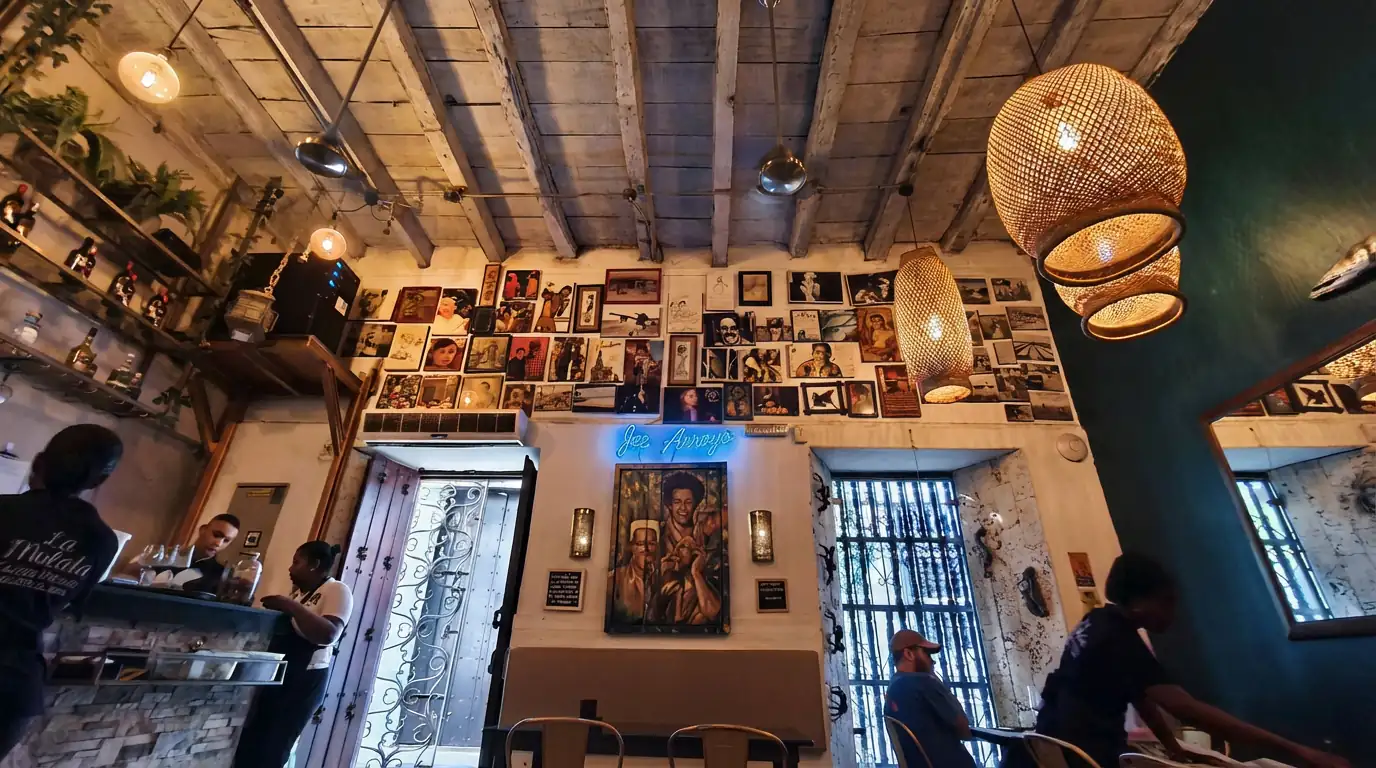
The neighborhood immediately outside the walls, historically the working-class heart of the city and formerly home to much of the enslaved population. Now known for street murals, independent restaurants, and the best local bars. Vibrant and worth exploring with awareness.
Bocagrande / El Laguito
The modern beach district on a narrow peninsula south of the old city. High-rise hotels, restaurants, and a long public beach. More Las Vegas than Cartagena, but convenient for families and those who want pool-and-beach access.
Manga
A quieter residential island between the historic center and Bocagrande. Local restaurants, calmer streets, and a more authentic pace. Connected by a bridge to both the old city and Bocagrande.
Gastronomy

What to Eat in Cartagena

Colombia's culinary scene is as diverse as its landscapes.
Food in Cartagena
Ceviche Cartagenero
Caribbean ceviche with coconut milk, lime, ají amarillo, and shrimp or fish. Richer and less acidic than Peruvian-style ceviche. Served in half-coconuts at beach restaurants throughout the city.
Arroz con Coco
Rice cooked in coconut milk and toasted coconut flakes until fragrant and slightly sweet. The standard accompaniment to any Caribbean seafood plate in Cartagena.
Pargo Rojo
Whole red snapper, typically grilled or fried and served with coconut rice, patacones, and a lime half. The default fish preparation along the entire Caribbean coast.
Arepa de Huevo
A fried corn arepa split and stuffed with a whole egg, then fried again until the egg sets inside. A Caribbean coast breakfast eaten from street carts in Getsemaní and the central market.
Raspao
Shaved ice served in a cup with fruit syrups and condensed milk. Sold from carts throughout the city. The oldest street food in Cartagena.
Palenquera Fruit
The palenqueras, women from Palenque de San Basilio, sell fruit, cocadas (coconut sweets), and their distinct African-derived products in the old city. A living cultural tradition that has been present on these streets for generations.
Travel Tips

Practical Information

Currency
Colombian Peso (COP). USD accepted at some tourist establishments but at unfavorable rates. ATMs available throughout the walled city and Bocagrande.
Visa
No visa required for USA, UK, EU, Canada, Australia. 90 days on passport stamp.
Electricity
110V / Type A and B plugs.
Rosario Islands
Boat departures from Muelle de los Pegasos (inside the old city) from approximately 8am daily. Book through your hotel or a licensed operator. Public boats are cheaper but slower.
Heat
Cartagena is hot and humid year-round (27-32°C with high humidity). Plan outdoor sightseeing for early morning. The fortified walls and historic streets have almost no shade.
SIM Card
Claro and Tigo at the airport and in Bocagrande shopping centers.
Time Zone
UTC-5 year-round.
Beaches
Bocagrande beach is functional but not the Caribbean ideal. The Rosario Islands, Playa Blanca (Isla Barú), and Cholón are all better. Playa Blanca requires approximately 1.5 hours by boat.
Travel Safety

Is Cartagena Safe?

🛡️ Safe for Tourists

The walled city and Bocagrande are safe for tourists exercising normal awareness. Getsemaní has improved significantly and is generally safe during evening hours, though it requires more attention in its outer blocks after midnight. Pickpocketing and overcharging are the main risks in tourist areas.

If visiting Playa Blanca in Barú, it is strongly recommended to go with an organized tour or through your travel agency. Some independent beach vendors in the area are known for charging prices dramatically above the local standard.
The walled city and Bocagrande are safe for walking throughout the day and into the evening.
Negotiate taxi prices before getting in. There are no meters and overcharging is common.
Getsemaní is safe for bar-hopping in the evening. The main plaza (Trinidad) and adjacent streets are well-populated and watched.
Beach vendors in Bocagrande can be persistent. A firm but polite decline is standard.
The fortified walls are pleasant for an evening walk and safe throughout the tourist areas.
Do not carry valuables to the beach. Leave passports and extra cash in hotel safes.
Location

Where is Cartagena?

Cartagena
Cartagena
Cartagena
The Good Traveler
Online · Typically replies fast
Hi! Ready to explore Cartagena?
Send us a message and we'll help you plan your perfect trip.
Continue on WhatsApp
or
Got it — we'll be in touch!
We'll contact you within a few hours on your preferred channel.