Cartagena Colombia: Everything You Need to Know Before You Go
Why Cartagena Is More Than Its Walls
Cartagena is the city everyone pictures when they think of Colombia. The colonial walls, the colorful balconies, the Caribbean Sea pressing against centuries-old stone. It’s earned that image. But the version of Cartagena that lives on Instagram is only a fraction of what the city actually is.
Cartagena de Indias was founded on June 1, 1533, and for centuries it was one of the most important ports in the Spanish Americas. The walls, the fortress, the churches: all of it was built to protect the wealth that passed through here, and to defend against the pirates and naval forces that wanted it. UNESCO recognized the port, fortress, and historic center as a World Heritage Site in 1984. That history is real, it’s everywhere, and it’s worth understanding before you arrive.
But Cartagena is also a Caribbean city with all the heat, energy, and complexity that implies. The food draws from African, indigenous, and Spanish roots. The neighborhoods range from polished luxury to raw, creative street life. The beaches inside the city are average (I’ll be honest about that), but the islands just offshore are some of the most beautiful in Colombia. And an afternoon coffee or a cold beer on the walls at sunset, watching the light change over the sea, is the kind of moment that makes you understand why people fall in love with this place.
When to Visit (Seasons, Heat, and Crowds)
It’s hot. Always. Cartagena averages 27-32°C year-round, with humidity that hits you the second you step outside. There’s no cool season. Bring light clothes, sunscreen, and a hat. Drink water constantly. This isn’t optional advice.
September through November is the rainiest stretch. Showers can be heavy but usually pass quickly. December through April is the driest and most popular period, which means higher prices and bigger crowds in the historic center.
Two events worth planning around. The Hay Festival happens in late January (January 29 to February 1 in 2026). It’s one of the most important literary and cultural festivals in the Spanish-speaking world, now in its twenty-first edition in Cartagena. Writers, journalists, musicians, and thinkers from across Latin America and beyond come together for four days of talks, readings, and performances. Over 70,000 people attended the last edition. If you care about ideas and culture, this is the time to be here.
The Fiestas de la Independencia in November celebrate Cartagena’s independence from Spain (November 11, 1811). Parades, music, dancing in the streets. It’s Cartagena at its most local and its most loud.
Where to Stay: Old Town vs Getsemani vs Bocagrande
Getsemani is my pick. I know that’s a matter of taste, but for me this neighborhood has the best energy in Cartagena. It sits right next to the walled city, connected by the Camellon de los Martires, and it’s a combination of old and new that I find more interesting than the historic center on its own. Street art covers entire walls. The Plaza de la Santisima Trinidad fills with people at all hours. There are cocktail bars next to traditional tiendas, art galleries beside corner shops. It used to be a working-class district; now it’s a cultural hub with boutique hotels, excellent restaurants, and a nightlife that feels organic rather than manufactured. If you like neighborhoods with personality, this is where you want to be.
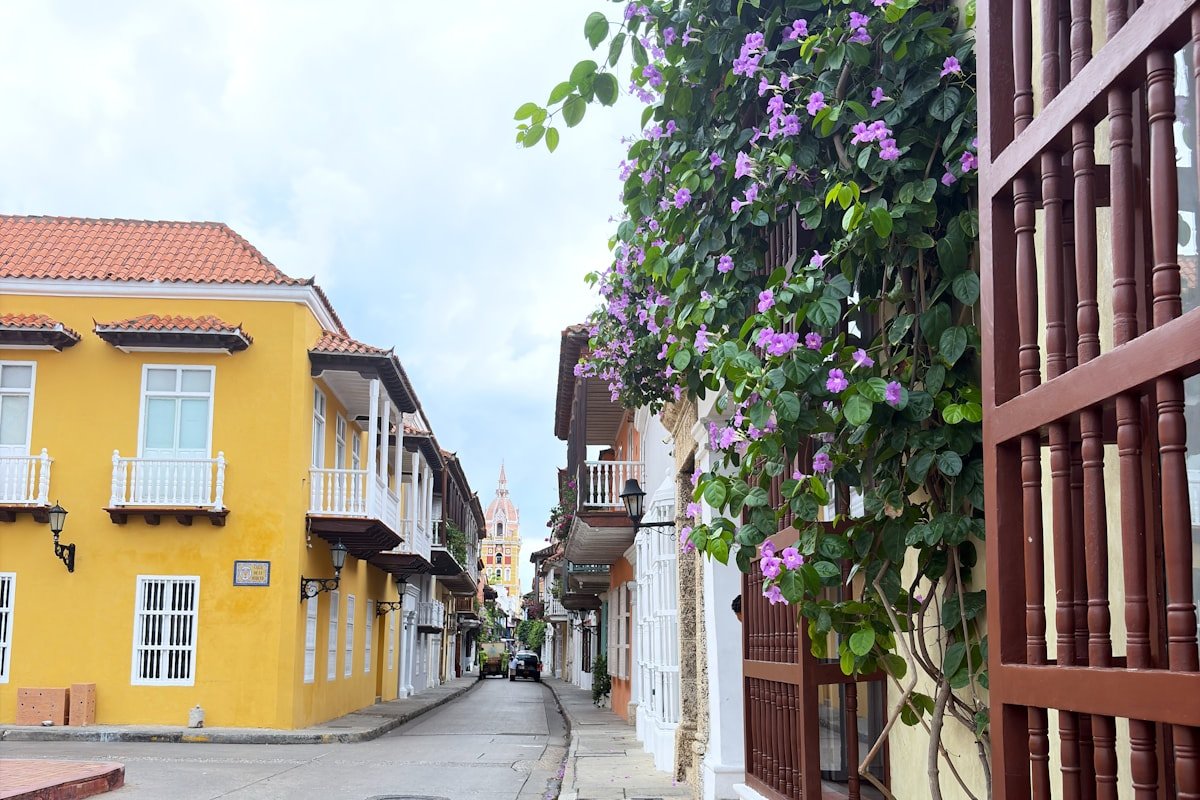
The Walled City (Centro Historico) is where you stay if you want the full colonial experience. Cobblestone streets, balconies draped in bougainvillea, churches from the 1500s, plazas where the architecture hasn’t changed in centuries. It’s the most expensive zone, and it deserves to be. The hotels here, many of them in restored colonial houses, are some of the most beautiful in Colombia. If your priority is being surrounded by preserved history, this is the right call.
Bocagrande is the modern district. High-rises, chain hotels, shopping centers, and the city’s main urban beach. The beach is fine for a morning walk, but it’s not why you came to Cartagena. Bocagrande works as a base if you want lower prices and don’t mind taking a short ride to the historic areas.
La Boquilla and Marbella are north of the city center. Quieter beaches, less vendor activity, and some excellent luxury hotels. Good for travelers who want beach time without the intensity of the centro.
What to Do in Cartagena
Walk the walls. Thirteen kilometers of fortifications, among the best preserved in the Americas. You can access them from several points around the old city. The western section is the one you want for sunset: the light drops behind the Bocagrande skyline and the colors over the Caribbean are something else. There’s even a bar and restaurant built into the ramparts, which makes for a memorable evening.
Castillo San Felipe de Barajas. The largest colonial fortress in the Americas, built by the Spanish in the 17th century. It’s recognized as one of Colombia’s Seven Wonders. The tunnel network inside is worth exploring, and the views from the top cover the entire city. Go early in the morning. There’s almost no shade, and the afternoon heat on those stone walls is brutal.
Getsemani on foot. Beyond what I said about staying here: walk it even if you’re not. The street art tells stories. The Umbrella Street is an easy photo stop, but the real charm is in the side alleys where murals mix with daily life. The neighborhood has some of the best restaurants in the city at prices below what you’ll pay inside the walls.
Plaza de Santo Domingo. One of the most alive public spaces in the old city. You’ll find Fernando Botero’s famous sculpture “La Gorda Gertrudis” here, along with the Templo de Santo Domingo, the oldest church in Cartagena (completed in 1559). Colonial houses with wooden balconies surround the plaza, and the restaurant terraces fill up every evening.
La Popa Monastery. The highest point in the city. The convent itself is colonial architecture at its finest, but the reason to go is the panoramic view, especially at sunset. Don’t walk up or down the hill. Take a taxi or use a ride app. Locals are clear about this, and they’re right.
A cooking class. Cartagena’s cuisine is a blend of indigenous, African, and Spanish influences. A cooking class here isn’t just about recipes. It’s about understanding how those cultures shaped what Colombia eats today. You’ll work with coconut, plantain, local seafood, and spices that connect directly to the city’s history as a port.
Where to Eat
If I’m recommending one restaurant in Cartagena, it’s Alma. It’s inside the Hotel Casa San Agustin in the historic center, and the chef, Heberto Eljach, does something I deeply appreciate: he takes traditional Caribbean Colombian food and presents it at a level that matches the setting without losing what makes it special. The ceviche, the seafood casserole, the coconut-based desserts. Everything uses local ingredients, and the colonial courtyard where you eat, with live son cubano on certain nights, captures what Cartagena feels like at its best. Alma won TripAdvisor’s Travellers’ Choice award and was placed among the top 10% of restaurants worldwide. It’s the kind of place where the food and the setting tell the same story.
Beyond Alma, Cartagena’s food scene is deep. Getsemani has excellent options at more accessible prices. The old city has everything from high-end tasting menus to corner empanada stands. Seafood is the backbone: arroz con coco (coconut rice), cazuela de mariscos (seafood stew), fried fish with patacones. For street food, keep an eye out for the palenqueras, the Afro-Colombian women in colorful dresses who sell fresh fruit. They’re a living connection to San Basilio de Palenque, the first free African settlement in the Americas.
Day Trips: Rosario Islands, Playa Blanca, and Beyond
Let me be direct: the beaches in Cartagena proper are average. Bocagrande is crowded and the water isn’t particularly clear. The real beach experience is on the islands.
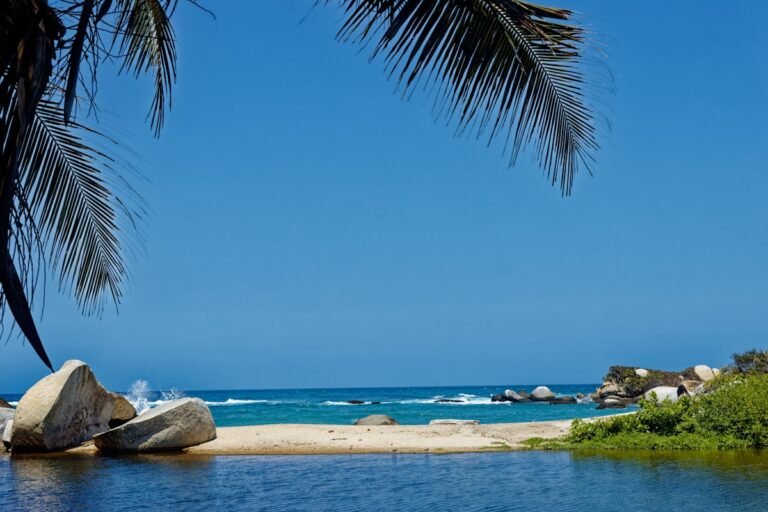
Islas del Rosario. A national park archipelago of 27 islands, about 45 minutes by speedboat. Crystal clear water, coral reefs, snorkeling, and the kind of Caribbean color you came here for. Day tours typically include multiple island stops, lunch, and time on both public and private beaches. This is the trip I’d prioritize over any city beach.
Isla Baru and Playa Blanca. Playa Blanca is genuinely one of the most beautiful beaches in Colombia. White sand, turquoise water, and if you go by boat rather than overland, you avoid most of the vendor pressure. You can also do bioluminescent plankton excursions at night from Baru, which is one of the more magical natural experiences the coast offers.
Tierra Bomba. The closest island, just 15 minutes by boat. It’s less polished than the Rosario Islands but offers a more community-oriented experience: local food, smaller beaches, and a pace that’s genuinely relaxed. Some travelers stay overnight.
Book island tours through established agencies, not street vendors. That advice came up in every source I reviewed, and it’s solid. You want a company with a physical office so there’s accountability if something goes wrong.
Getting Around Cartagena
For airport transfers, day trips to the islands or the Volcan del Totumo, and any route outside the tourist zone, agency transport with a private driver is the safest and most comfortable option.
For moving around the city, Uber works in Cartagena (Comfort tier recommended), and DiDi is a solid alternative. Both set prices upfront and track your route. Don’t take yellow taxis off the street. They don’t use meters, and tourists consistently get overcharged. If you absolutely must take a street taxi, agree on the price before getting in.
The historic center and Getsemani are walkable. That’s one of their best features. Wear comfortable shoes (the cobblestones are uneven) and bring water everywhere.
Get a Claro or Movistar SIM card at the airport. Maps and ride apps make everything easier, especially when you’re navigating between the old city, Bocagrande, and the port area.
About vendors: Cartagena has more street vendors than any other city in Colombia. They’ll offer you hats, sunglasses, tours, massages, bracelets. A polite “no, gracias” is all you need. Say it once, keep walking. It’s part of the experience, and getting frustrated about it will only make your day worse.
Frequently Asked Questions
How many days do you need in Cartagena?
Four to five. Two for the walled city, Getsemani, and the fortress. One for an island day trip (Rosario Islands or Playa Blanca). One for a cooking class, La Popa, and evening on the walls. An extra day if you want to visit the Volcan del Totumo or spend more time on the islands.
Is Cartagena safe for tourists?
The tourist areas (walled city, Getsemani, Bocagrande) are well-patrolled and generally safe. Use common sense: don’t walk alone in empty or poorly lit streets, keep your phone out of sight, and use ride apps instead of street taxis. Agency transport is ideal for anything outside the main zones.
Are the beaches in Cartagena worth it?
The city beaches are average. For a real Caribbean beach experience, take a boat to the Rosario Islands or Playa Blanca on Isla Baru. It’s worth the day trip.
When is the best time to visit Cartagena?
December through April for the driest weather. Late January for the Hay Festival. November for the independence celebrations. Avoid September through November if you want to minimize rain.
What should I wear in Cartagena?
Light, breathable clothing. Linen is your friend. Comfortable shoes for cobblestones. Sunscreen and a hat are non-negotiable. Bring a light layer for air-conditioned restaurants, because the contrast with outside heat can be intense.