Cali Colombia Travel Guide: More Than Just Salsa
Cali Is Not Medellin. That’s the Point.
Most travelers skip Cali. They land in Bogota, fly to Medellin, bus to the Coffee Region, and finish in Cartagena. That’s the standard Colombia loop, and I get why it works. But if you follow it, you’ll miss the city that, in many ways, is the most Colombian of them all.
Cali doesn’t package itself for tourists. It’s not going to hand you a curated list of Instagram spots and send you on your way. What it will do is pull you into a rhythm, literally, and if you’re willing to move with it, you’ll experience something the other cities can’t replicate. This is the salsa capital of the world, and that title isn’t ceremonial. It’s on every corner, in every bar, on every street that shuts down after dark on the weekends. The music here isn’t background noise. It’s the culture.
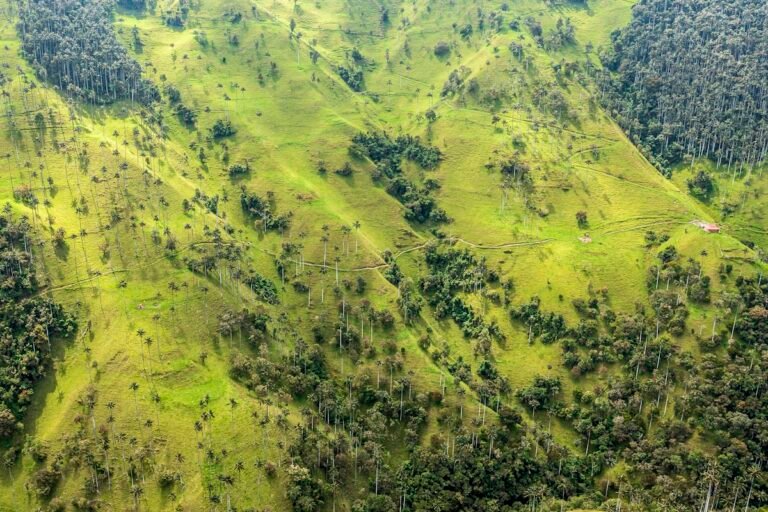
Cali sits in the Cauca Valley at about 1,000 meters above sea level, flanked by the Farallones, a massive section of the western Andes that rises to over 4,000 meters right behind the city. It’s hot. Average temperatures hover around 25°C, and on peak afternoons you’re looking at 30-34°C. This is a warm city, and the pace reflects it. People eat late, go out late (but not as late as you’d think), and the whole place runs on a rhythm that rewards showing up with an open mind rather than a rigid itinerary.

When to Visit
Cali’s close to the equator, so there aren’t real seasons. Just dry periods and wet periods. December through February and June through August are the driest months. March to May and September to November bring more rain, though it’s usually afternoon showers that clear quickly.
Two events should be on your radar. The Feria de Cali happens in late December, and it’s one of the biggest parties in Colombia. Parades, salsa competitions, street food, the whole city celebrating. If you want Cali at its loudest and most joyful, this is it.
Then there’s the Festival Petronio Alvarez in August. This is the largest celebration of Afro-Colombian culture in Latin America. Since 1997, the festival has brought together around 600,000 people over five or six days to celebrate the music, food, and traditions of Colombia’s Pacific coast. It’s named after Petronio Alvarez, a legendary musician from Buenaventura nicknamed “the King of Currulao.” Entry to most events is free. The Marimba de Chonta, recognized by UNESCO as intangible cultural heritage, is at the center of the music here. If your dates line up with Petronio, don’t miss it. The 2026 edition runs August 12 to 17.
Where to Stay
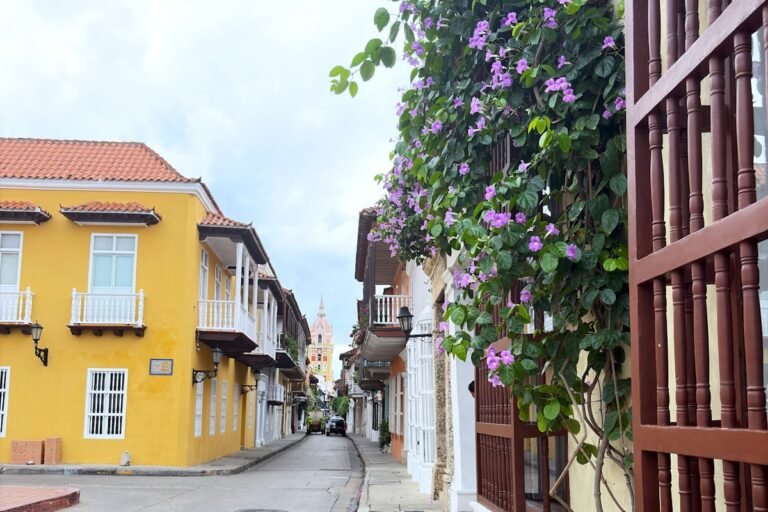
San Antonio is the neighborhood I’d recommend first, and honestly, it’s one of the most beautiful barrios I’ve seen anywhere in Colombia. It’s considered a cultural and historic heritage site, and it shows. Colonial architecture, narrow streets with painted facades, art galleries, bakeries, restaurants ranging from traditional Colombian to Peruvian to Italian. The Iglesia de San Antonio sits at the top of a hill with a view over the city. The church was founded in 1747, and the climb up through stone pathways is worth it even if you’re not interested in the architecture (though you should be). San Antonio is walkable, safe, and close to the center and the Boulevard del Rio.
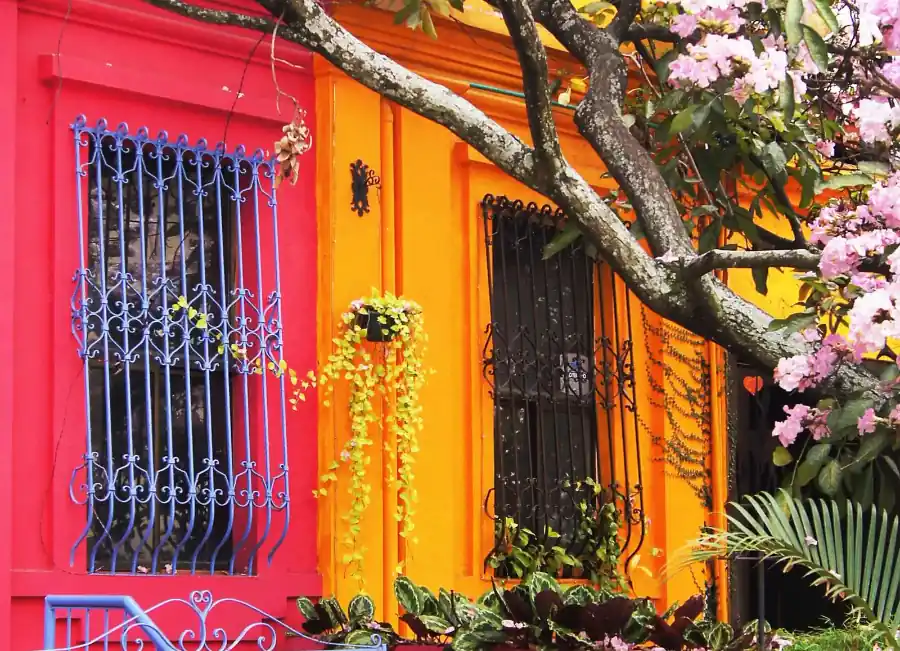
Granada is the more modern option. It’s where you’ll find upscale restaurants, cocktail bars, and newer hotels. Think Chapinero in Bogota or El Poblado in Medellin, but with Cali’s particular warmth and casualness. If you want comfort and variety in dining, this works well.
Miraflores is quieter. Close to the main going-out areas but set back from the noise. Good Airbnb options, safe, and a solid base if you want privacy without being far from the action. For first-time visitors who want to ease into the city, it’s a strong pick.
What to Do in Cali
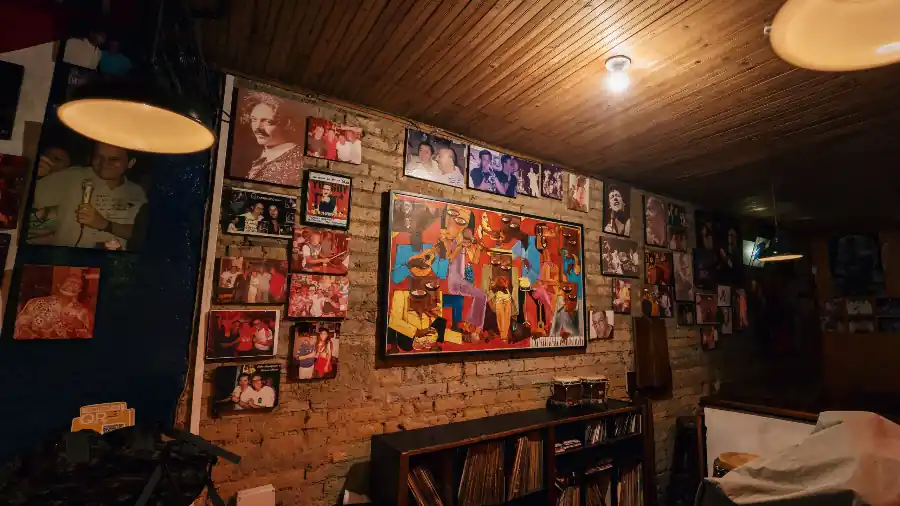
Take a salsa class. You’re in the salsa capital. Not doing this would be like visiting the Coffee Region and skipping the coffee. Cali’s salsa style is faster than what you’ll hear in New York or Havana. There’s a story behind that speed: it developed partly from reproducing vinyl records at the wrong RPM, combined with influences from bugalu, pachanga, and local Afro-Colombian rhythms. Over the decades, that accident evolved into a distinct style that’s earned Cali international recognition through competitions and dancers who train here. The Museo Jairo Varela, dedicated to the founder of Grupo Niche, offers free salsa classes Thursday through Saturday from 4pm to 6pm, combined with a guided tour of the museum. Two hours of dancing after learning the history of the man who composed “Cali Pachanguero,” which Billboard listed among the 50 greatest Latin songs of all time. That’s a good afternoon.
Boulevard del Rio on a Friday or Saturday night. This is where salsa lives on the street. Starting around 6pm, the Boulevard fills with people: professional dancers showing off, couples who’ve been at this for decades, tourists attempting their first steps, all of it powered by live music, cold beer, and an energy that’s hard to describe until you’re standing in the middle of it. There are bars along the strip if you want a seat. La Topa Tolondra is one of the most recognized. But the real experience is in the street, where people invite you to dance regardless of your skill level. That openness is very Cali.
Parque de los Gatos and Gato del Rio. In 1996, a sculptor created a large cat statue along the Cali River as an artistic landmark. In 2006, a series of companion cat sculptures were added, each designed by a different local or national artist. The result is a park-length gallery of themed cat art along the river, and it’s more charming than it sounds. Good for a morning walk or a jog, and right next to the Museo La Tertulia, one of Cali’s best art museums.
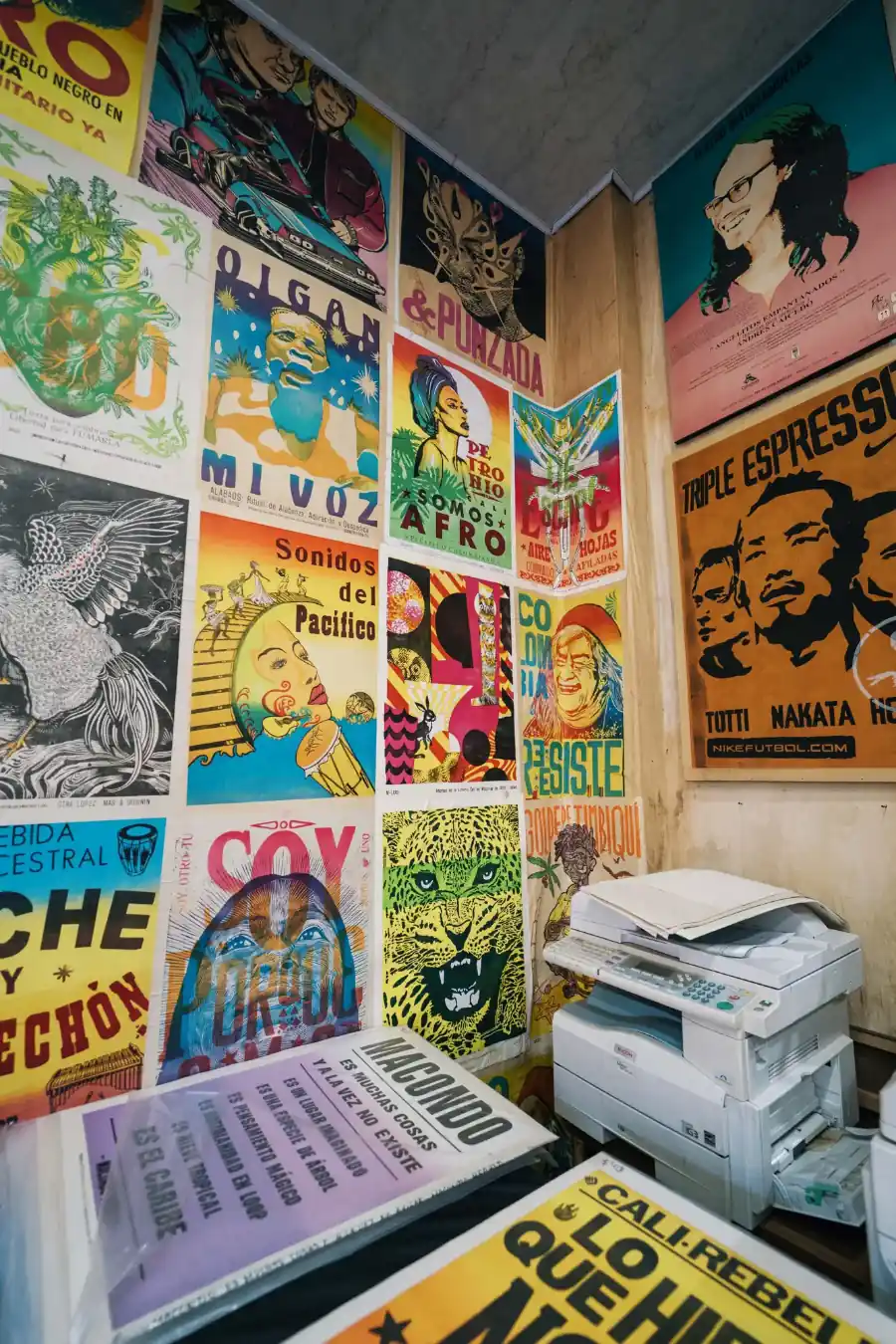
San Antonio on foot. Beyond the church and the view, the neighborhood rewards aimless wandering. You’ll find La Linterna, a printing workshop that’s been operating since the mid-20th century, now run by three veteran printers who produce hand-pressed salsa posters using machines from the 1870s and 1890s. The posters are colorful, beautiful, and you can buy originals for almost nothing. They’re an authentic piece of Cali’s graphic and musical identity. Around the corner, there’s always an ice cream shop doing something unexpected or a bakery you didn’t plan to stop at.
Loma de la Cruz. A short hill in San Antonio with artisan shops, a cross at the summit, and a view of the city. Best visited in the late afternoon when the shops are open and the light softens. If you keep walking from San Antonio up through Loma de la Cruz, you’ve had a full half-day of Cali’s most walkable cultural zone.
Cristo Rey. Cali’s version of Rio’s Christ the Redeemer, smaller but perched on a hill with panoramic views of the city and the valley. Recently renovated. It’s a quick trip from the center and worth the detour for the perspective it gives you of how the valley, the river, and the mountains all fit together.
Where to Eat
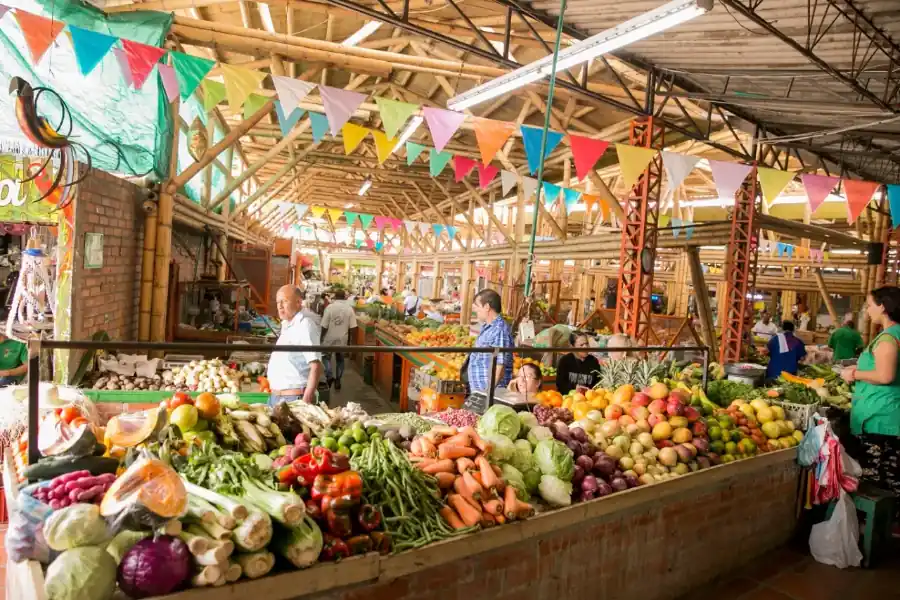
Cali’s food identity is tied to the Pacific coast, the sugarcane valley, and the cultural traditions that shaped this region over centuries. The music, the dance, the food: it all comes from the same roots. And the result is a food scene that’s distinct from Bogota or Medellin in ways that matter.
If I’m sending someone to one restaurant in Cali, it’s Domingo, in San Antonio. Chef Catalina Velez took traditional caleño and suroccidente flavors and gave them a contemporary treatment without losing what makes them special. The ingredients come directly from small producers across the Valle del Cauca, Cauca, Choco, Nariño, and Putumayo. Even the aborrajado here is reinvented: ripe plantain with cheese, but without the frying. It’s the kind of place where you taste things you recognize from street stalls and abuelas’ kitchens, but presented with care and intention. They also have a small shop with artisanal products, chocolates, and local goods. Brunch on weekends is excellent.
Seafood. Cali’s proximity to Buenaventura, Colombia’s main Pacific port, means the seafood here is exceptional. The Galeria de la Alameda is a traditional market with a few kitchen stalls that serve some of the freshest Pacific seafood in the city. This isn’t a tourist spot. It’s where caleños go. You’ll try preparations you haven’t encountered before, built on African and coastal traditions that have been here for centuries.
The cholado. This is Cali’s iconic dessert: shaved ice piled with tropical fruits (lulo, mango, pineapple, banana), sweet syrups, and sometimes cookies or condensed milk. The best ones are at Canchas Panamericanas, a cluster of stands near the Panamerican sports complex. It originally comes from the nearby town of Jamundi, but Cali adopted it completely. Get the medium size. The large is a commitment.
Aborrajado. Ripe plantain stuffed with cheese, battered, and fried. It’s a perfect afternoon snack, and the downtown area has street vendors who do it right.
Champus and lulada. Traditional cold drinks that are almost meals on their own. Champus is made with pineapple, lulo, corn, and herbs, with a slightly fermented flavor. Lulada is sweeter, made with the lulo fruit, which is one of Colombia’s most distinctive flavors. If you only try one: the lulada. Everything with lulo is good.
Pan de bono. Cali and the Valle del Cauca region have a serious claim to producing the best bread in Colombia. Pan de bono, a cheesy, soft bread made with cassava flour, is the star. You’ll find bakeries (panaderias) everywhere. Pair it with hot chocolate or champus in the afternoon.
Chuleta valluna. A breaded pork cutlet that’s a regional classic. Served with rice, beans, plantain, and salad. It’s simple, filling, and everywhere. The combination of African and European culinary influence is visible in this dish and throughout Cali’s food culture.
Getting Around Cali
For airport transfers, day trips to the Farallones or nearby towns, and any route you’re not sure about, agency transport with a private driver is the smartest option. Cali is a big city, and having someone who knows the roads and the neighborhoods removes the guesswork entirely.
For moving around on your own, Uber works well here. Go with the Comfort tier when it’s available, because standard vehicles in Colombia can be small. DiDi is a solid budget alternative. Both apps set the price before the ride and track the route, so there’s no negotiation.
The MIO is Cali’s bus rapid transit system. It covers most of the city and costs very little. It’s functional for getting between major points, though it gets crowded during rush hour. For most visitors, ride apps will be more practical.
Pick up a Claro or Movistar SIM card for data. Maps and ride apps depend on it, and you’ll want reliable connectivity when navigating a city this spread out.
One note about nightlife timing: Cali goes out early by Colombian standards. People start heading to the Boulevard around 9 or 10pm, and things wind down by 2am. If you’re used to Bogota’s or Medellin’s later schedule, adjust accordingly.
Day Trips from Cali
Rio Pance. A river just south of the city where caleños escape the heat on weekends. You can swim, hike, eat at riverside restaurants, and spend a half-day without going far from the urban center.
Buga. About 75 kilometers north, this small city is home to the Basilica del Señor de los Milagros, one of the most important pilgrimage sites in Colombia. The town has its own food traditions, including a pan de bono soup that sounds strange and turns out to be one of those dishes you’ll think about later.
San Cipriano. A small Afro-Colombian community reachable by a homemade railcar (brujita) that runs along old train tracks through the jungle. It’s an adventure getting there, and the river swimming and waterfalls on the other end are worth it. About two hours from Cali.
Lago Calima. A reservoir in the mountains above the valley, popular for windsurfing, kitesurfing, and just cooling off. The temperature drops significantly at the lake elevation, which is a welcome change from Cali’s heat.
What Most Guides Won’t Tell You
Cali is underestimated. I’ll say it directly. Most travelers skip it because they’ve already committed their days to Medellin or Cartagena, and the standard advice online reinforces that loop. But Cali deserves every bit of your time, and the people who actually come here almost always agree.
Yes, it’s hot. I like it. The warm climate gives the city its energy, and it shapes everything from the food (cold drinks, tropical fruits, lighter preparations) to the nightlife (outdoor, early, social). If you’re someone who’d rather be warm than layering up in Bogota at 13°C, Cali’s your city.
One thing I want to address. Cali has one of the largest Afro-descendant populations in Latin America, and you’ll see that reflected everywhere: in the music, the food, the festivals, the culture. For me, that’s the point. It’s not about the color of anyone’s skin. It’s about the impact these communities have had on what makes this region unique. The salsa, the Pacific coast cuisine, the rhythms of Petronio Alvarez, the flavors in a bowl of champus: that’s a cultural contribution that shaped not just Cali but Colombia as a whole. Understanding that context makes the city richer.
Come with patience, an appetite, and at least three days. Leave your expectations from other Colombian cities at the airport. Cali doesn’t need your approval. It’s going to do its thing regardless. And that’s exactly what makes it worth knowing.
Frequently Asked Questions
How many days do you need in Cali?
Three to four. One for San Antonio, the Boulevard, and a salsa class. One for the markets, the food, and Cristo Rey. One for a day trip to Rio Pance or San Cipriano. If your visit lines up with Petronio Alvarez or the Feria de Cali, add an extra day.
Is Cali safe for tourists?
The areas covered in this guide (San Antonio, Granada, Miraflores, the Boulevard) are safe. The general rule is that the northern part of the city is more tourist-friendly than the south. Use ride apps, don’t flash valuables, and avoid walking alone in unfamiliar areas at night. Standard precautions for any large Colombian city.
Do I need to speak Spanish in Cali?
More than in Medellin or Cartagena. English is less common here, even in tourist-facing businesses. Basic Spanish or a translation app will go a long way. Caleños are warm and patient, but the effort to communicate in their language makes a real difference.
What’s the best time to visit Cali?
December for the Feria de Cali. August for the Festival Petronio Alvarez (August 12-17 in 2026). Weather-wise, December through February and June through August are the driest months.
Is Cali worth visiting if I don’t like salsa?
Yes. The food alone justifies the trip. Add the Afro-Colombian cultural scene, the Pacific coast influence, the viewpoints, and the day trips, and you’ve got a city that offers more than its nickname suggests. But you should at least try one salsa class. You’re here.