Santa Marta Colombia: The Oldest City in South America
Why Santa Marta Is More Than a Gateway
People compare Santa Marta to Cartagena. I think that’s a mistake. Yes, both are Caribbean coastal cities in northern Colombia. But they’re fundamentally different destinations, and treating one as a substitute for the other means you’ll miss what makes each one special.
Cartagena is colonial architecture, walled streets, rooftop bars, fine dining. Santa Marta is nature. It’s the oldest surviving city in Colombia, founded on July 29, 1525 by Rodrigo de Bastidas, and it sits at the foot of the Sierra Nevada de Santa Marta, the highest coastal mountain range in the world, rising to 5,775 meters just 42 kilometers from the sea. That geography defines everything about this place. Within an hour of the city center you can be snorkeling in crystal-clear Caribbean water, hiking through cloud forest in Minca, or standing on a beach inside Tayrona National Park where the jungle runs straight down to the sand.
What I love about Santa Marta is that it’s active. You can kayak at open sea, snorkel coral reefs, trek to remote beaches, tour a coffee and cacao farm in the mountains, or just watch what is, without exaggeration, one of the best sunsets in Colombia from the Bahia. This is a city for travelers who want to move, explore, and come back tired in the best possible way.
When to Visit
Hot. Year-round. Temperatures sit between 28-33°C, and the humidity is constant. The driest months are December through April and July through August. September through November brings the most rain. The heat is intense, but you’re near the water almost always, so it’s manageable.
Tayrona National Park closes for maintenance at least once a year, usually for two to three weeks between January and February. Check the park’s schedule before planning around it. During Colombian holiday weekends (puentes festivos), beaches and the park can get extremely crowded. Weekday visits are significantly better.
Where to Stay
Centro Historico is where I’d base a first visit. Santa Marta’s historic center is compact and walkable, with the Parque de los Novios as its social hub. The park is surrounded by the best restaurants in the city, and free walking tours depart from here daily. Hotels here tend to be restored colonial houses, boutique-style, with courtyards and character. You’re a short walk from the Bahia, the malecón (recently renovated), and the Museo de Oro Tairona (free entry, excellent collection of indigenous goldwork and ceramics). The Catedral de Santa Marta, completed in 1760, held the remains of Simon Bolivar until they were transferred to Caracas in 1842.
El Rodadero is the beach neighborhood. It has the highest concentration of hotels, apartments, and restaurants. The beach is wide and accessible, though it gets crowded in high season. The real advantage of Rodadero is the muelle turistico (tourist pier), from which boats depart to Playa Blanca, the aquarium, and other coastal destinations. If you want a beach at your doorstep and don’t mind a more commercial atmosphere, it works.
Bello Horizonte is north of the center, quieter, with less crowded beaches and several all-inclusive or boutique hotel options. It’s further from the main attractions and embarkation points, but the trade-off is tranquility.
What to Do in Santa Marta (and Around It)
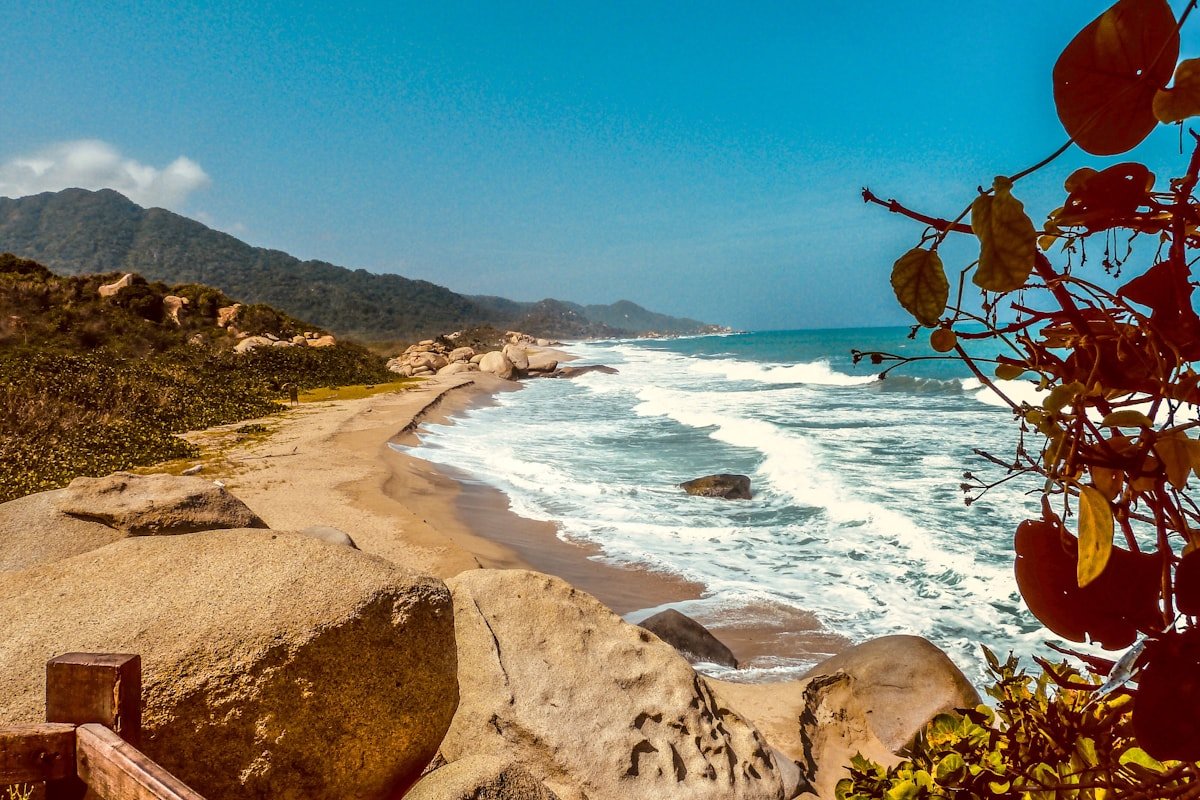
Tayrona National Park. This is the draw. Over 30 beaches spread across a protected coastline where jungle meets the Caribbean. The most iconic beach is Cabo San Juan, reachable by a three-hour trek from the Zaino entrance through dense forest, past monkeys, leaf-cutter ants, and occasional sloths. You can camp at Cabo San Juan in hammocks or tents, and the setting is as raw and beautiful as Colombia gets. For a less intense visit, Playa Cristal and Bahia Concha are accessible by boat and offer excellent snorkeling in clear, calm water. Playa Cristal has limited daily entry, which keeps it uncrowded and pristine. It’s my pick for families.
Minca. Forty minutes up the mountain from Santa Marta, and the temperature drops noticeably. This small town in the foothills of the Sierra Nevada is an escape from the coastal heat and a window into a different ecosystem. Coffee and cacao farms, waterfalls (Pozo Azul and Cascada de Marinka), hiking trails, and some of the best birdwatching in Colombia. The El Dorado Reserve above Minca is a world-class birding destination for spotting endemic and threatened species. You can do a guided tour that combines an ecological walk, a coffee farm visit, a cacao workshop where you make your own chocolate, and a home-cooked lunch. It’s the kind of day that captures what the Sierra Nevada actually means to the people who live there.
Taganga. A fishing village turned backpacker hub, just north of Santa Marta. The beach in Taganga itself isn’t the attraction anymore. What matters is its position as a departure point for boats to Tayrona beaches and as a base for diving. Several dive shops operate here, and the reef diving off the coast is good. Playa Grande, a 15-minute walk over the hill from Taganga (or a short boat ride), is a better beach with cheaper food than Playa Blanca at Rodadero. Go during the day, bring your own snorkel gear if you have it, and check with locals about current conditions before heading out.
Quinta de San Pedro Alejandrino. A 17th-century hacienda on the outskirts of the city where Simon Bolivar spent his last days and died on December 17, 1830. The grounds include a botanical garden, an art gallery, the Altar de la Patria monument, and the Museo Bolivariano. Plan at least two hours. It’s 15 minutes from the center by ride app.
The Bahia at sunset. This is non-negotiable. The renovated malecón runs from the old port to the marina, lined with statues, food vendors selling ceviche and fresh coconut, and views over the bay. The sunsets here are genuinely some of the best I’ve seen in Colombia. Grab a beer or a coffee, sit on the malecón, and watch the sky change. It costs nothing and it’s the moment when Santa Marta shows you exactly what it is.
Where to Eat
The Parque de los Novios area has the highest concentration of quality restaurants. Guacimo stands out: local products, creative preparations designed for sharing, and an atmosphere that feels both casual and intentional. Reserve ahead, it fills up.
For a traditional morning, find a local panaderia for a calentao breakfast (reheated rice, beans, egg, arepa, the previous day’s leftovers transformed into something better than the original). Several bakeries near the center serve this, and the earlier you go, the better.
Seafood is everywhere and at its best when simple: fried fish with patacones (fried green plantain), arroz con coco, and fresh ceviche sold by vendors along the malecón. In Taganga and Playa Grande, lunch is cheaper and often fresher than what you’ll find at the more tourist-oriented Rodadero beach spots.
Getting Around
For airport transfers, day trips to Minca, Tayrona, or Taganga, and any route you’re not confident about, agency transport with a private driver is the safest and most efficient option. The roads to Minca wind through mountains, and having someone who knows the route matters.
Uber works in Santa Marta (Comfort tier for more space). DiDi is available as a budget alternative. Don’t take street taxis without agreeing on a price first, because there are no meters and tourists pay more if they don’t negotiate.
Between the airport and the city, there’s a microbus for a few thousand pesos that takes about 45 minutes. It’s functional but slow. For most travelers, a prearranged transfer is worth the cost difference.
Get a Claro or Movistar SIM card at the airport for data. Maps and ride apps are essential, especially for navigating between the centro, Rodadero, and the boat departure points.
Frequently Asked Questions
How many days do you need in Santa Marta?
Four to five. One for the historic center, the Bahia, and sunset. One for Tayrona (Cabo San Juan trek or Playa Cristal by boat). One for Minca (coffee, cacao, waterfalls). One for Taganga and Playa Grande. Add a day if you want to dive or explore more of Tayrona’s beaches.
Is Santa Marta safe for tourists?
The tourist areas (centro, Rodadero, Bello Horizonte) are generally safe. Use ride apps, keep valuables discreet, and avoid poorly lit areas at night. The Tayrona Park trails are safe during the day. Taganga is fine during daytime but be cautious at night.
Santa Marta or Cartagena?
Different trips. Cartagena is colonial architecture, history, and fine dining. Santa Marta is nature, adventure, and active travel. If you have time, do both. If you have to choose, it depends on what kind of traveler you are.
What’s the best beach near Santa Marta?
Playa Cristal in Tayrona is my favorite: clear water, limited entry, great for snorkeling and families. Cabo San Juan is the most iconic. Playa Grande near Taganga offers the best value with fewer crowds than Rodadero’s Playa Blanca.
Do I need to book Tayrona in advance?
Camping and hammock reservations at Cabo San Juan should be booked ahead, especially for weekends and holidays. Playa Cristal and Bahia Concha have daily entry limits, so arriving early or booking a tour helps guarantee access.