
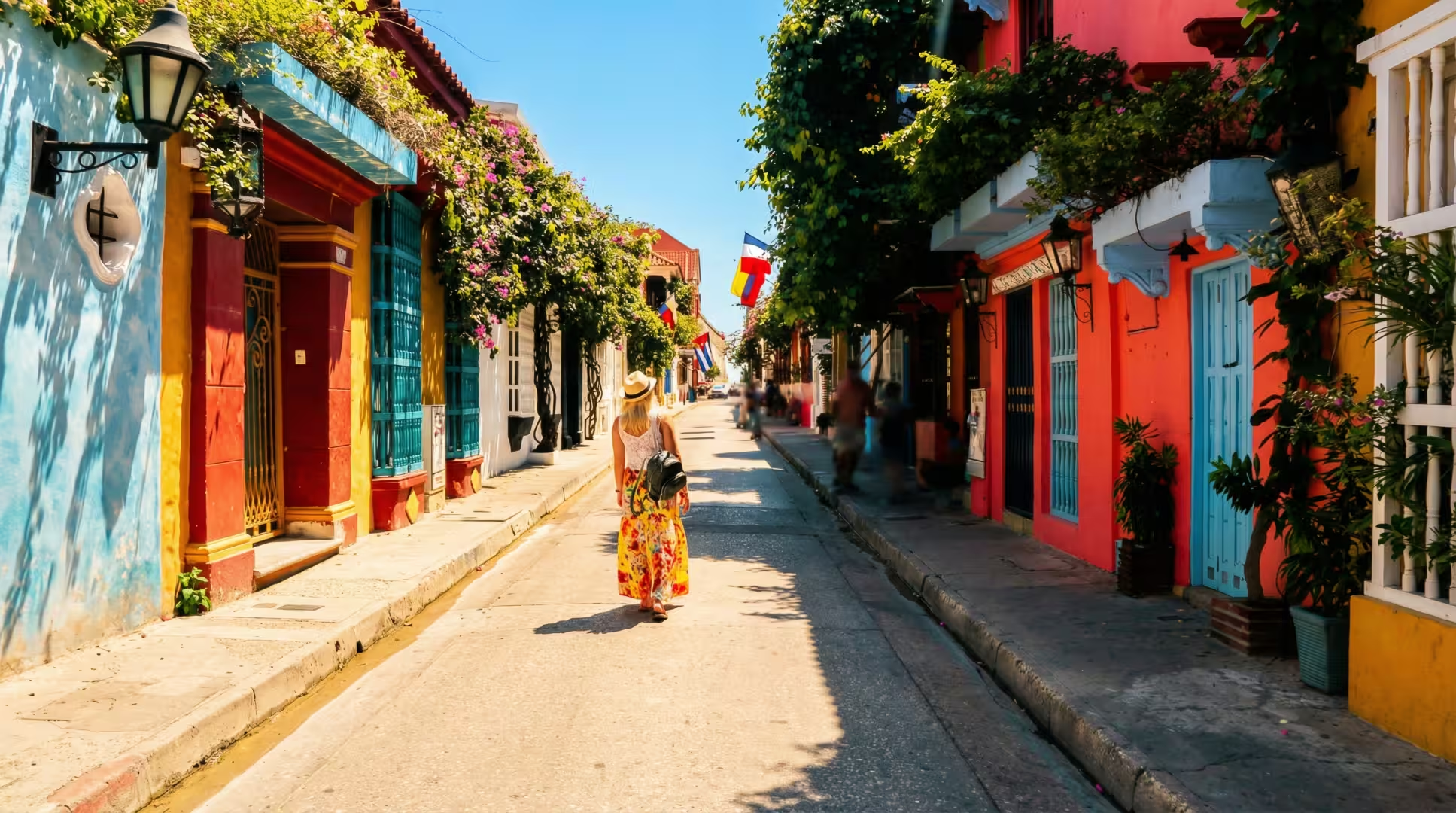
Why Visit Colombia: Nature, Culture & The Americas' Best Kept Secret
Some countries have beaches. Some have mountains. Some have history. Colombia has all of it, at the same time.
The only country in South America with coastlines on two oceans. The most bird-rich nation on the planet. A coffee region UNESCO declared a cultural heritage of humanity. A Pacific coast where humpback whales breach within sight of untouched jungle. Ancient ruins that predate Machu Picchu by more than 650 years.
This is not a destination. It is a world that happens to share one border.
Nature
A country built different. Literally.
Colombia sits at the northwestern corner of South America, where the Andes split into three separate mountain ranges before dropping into the Amazon, the Pacific, the Caribbean, and the vast grasslands of the Llanos. That geography is the reason for everything.
It explains why Colombia hosts nearly 20% of all bird species on Earth, more than any other country, and wins the world's largest birdwatching competition, Cornell Lab's Global Big Day, almost every year since 2017.
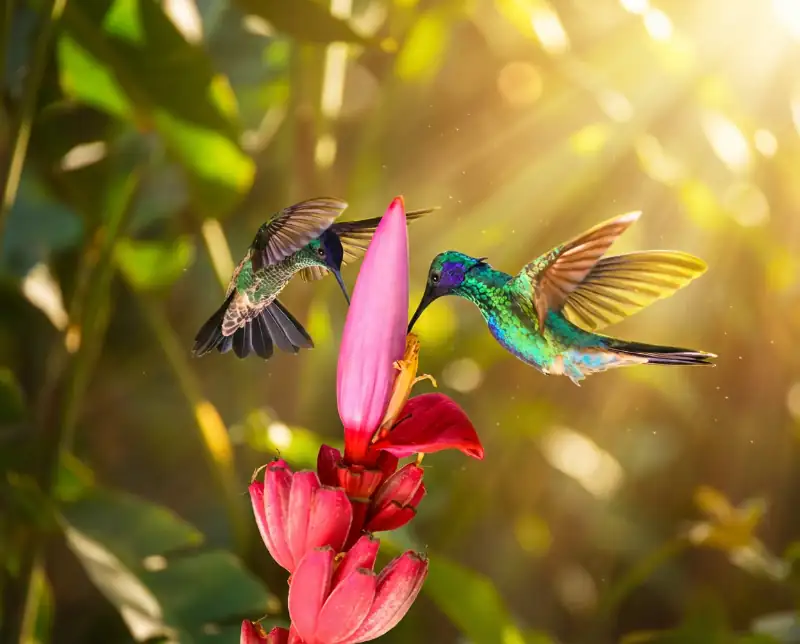
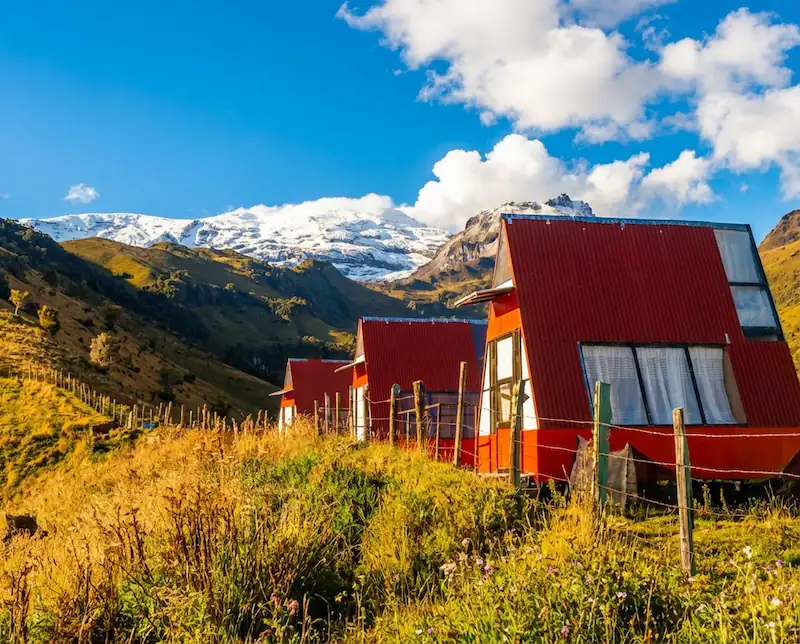
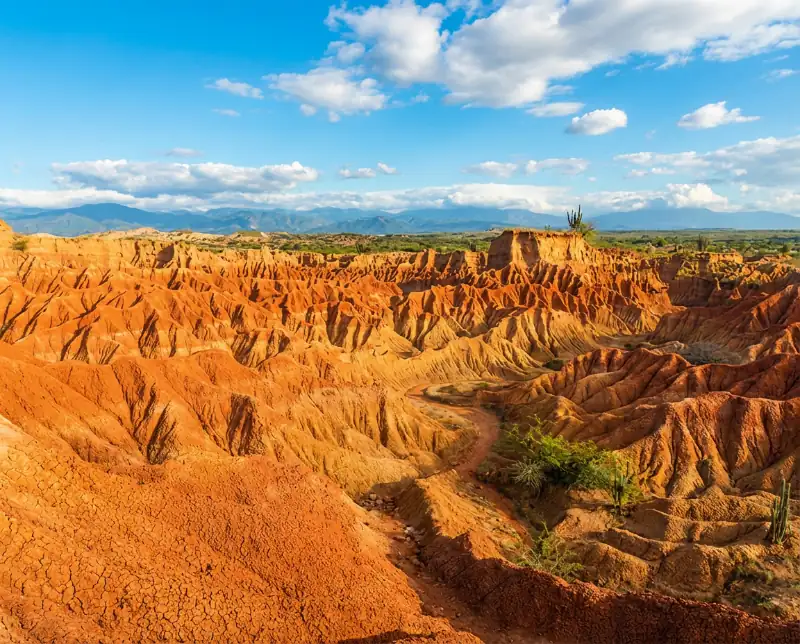
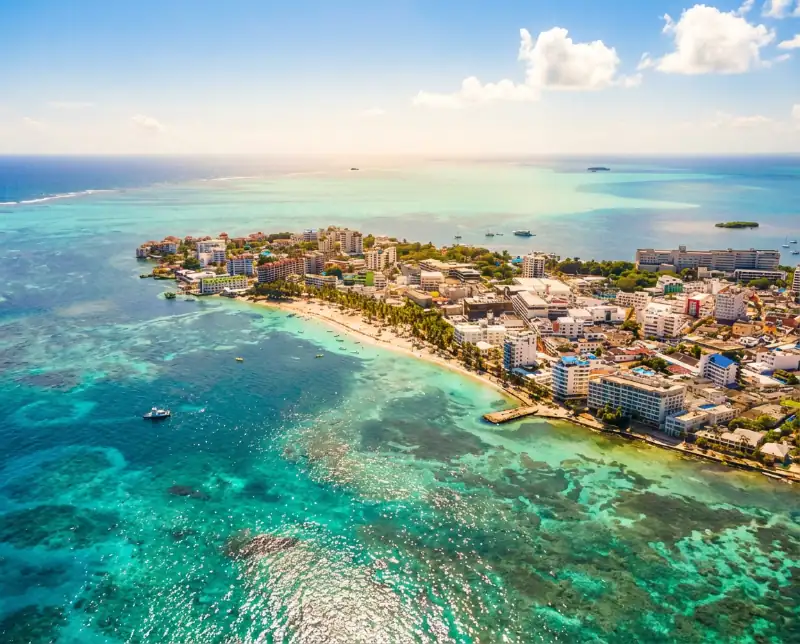
Colombia is one of only 17 countries on Earth classified as megadiverse, a designation that means it alone harbors a disproportionate share of the planet's species. First in the world in orchids, birds, and butterflies. Second in plants, amphibians, and freshwater fish. 59 protected national parks covering more than 14% of the country's territory.
"I grew up in Bogota thinking Colombia was a city, some beaches, and coffee. It was not until I started taking international guests to places I had never been myself that I understood: this country is not one thing. It is many worlds sharing a name."
Raul Rodriguez, Founder, The Good Traveler Colombia
The Pacific
One ocean the world barely knows about.
While the Colombian Caribbean gets the postcards, the Pacific coast remains one of the most pristine and undeveloped stretches of coastline in the Americas. Dense rainforest meets black-sand beaches. Villages are reachable only by small plane or boat. There are no high-rise hotels, no beach clubs, no line for a sun lounger.
And every year, between July and November, thousands of humpback whales make the journey from Antarctica, over 8,000 kilometers, to give birth in the warm, protected waters of Choco. The best place to witness it is Nuqui: a small town surrounded by jungle, accessible only by light aircraft from Medellin, where guides take you out in open boats close enough to hear the whales breathing.
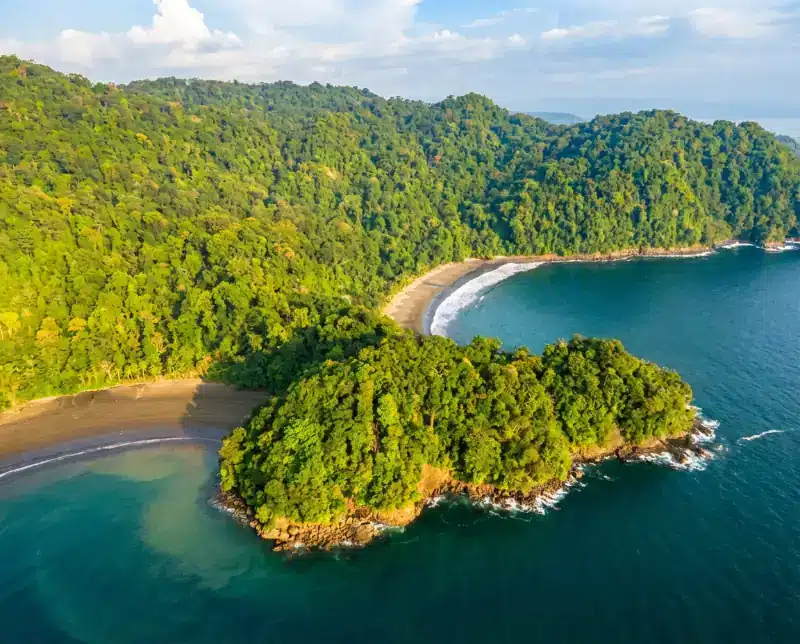
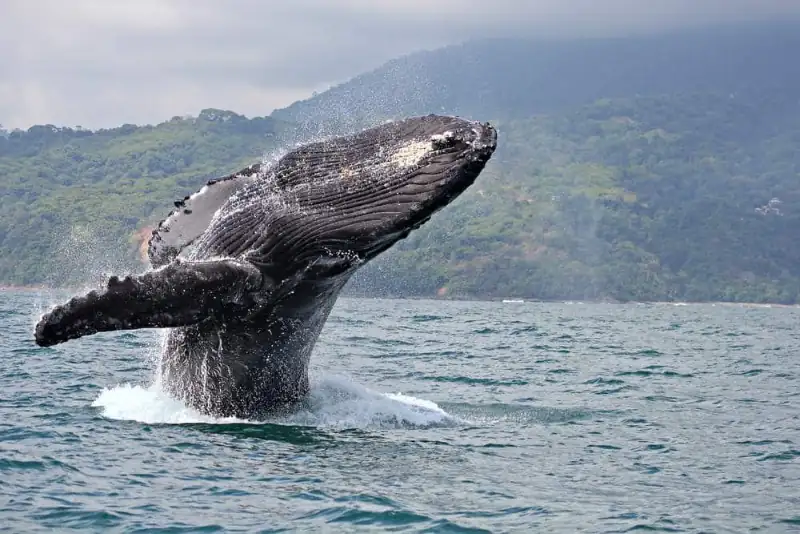
It is one of the most extraordinary wildlife encounters on the planet. Almost nobody knows it exists.
Coffee & Culture
The region the world recognized. And most visitors still miss.
The Coffee Cultural Landscape of Colombia was declared a UNESCO World Heritage Site in 2011. Not just for the coffee itself, but for an entire way of life: the architecture, the farming traditions, the community structures, the relationship between mountain and harvest that has shaped this region for generations.
Towns like Salento move at a pace that reminds you what travel is supposed to feel like.
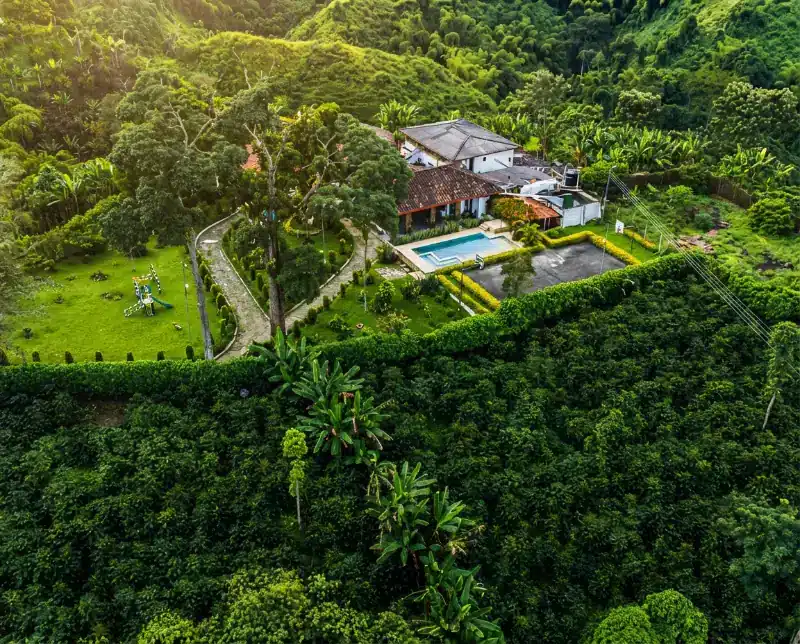
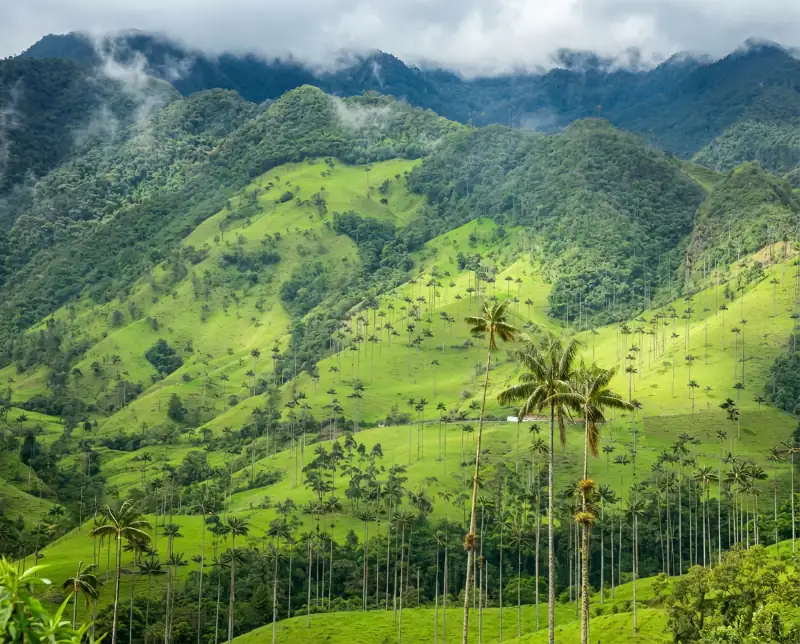
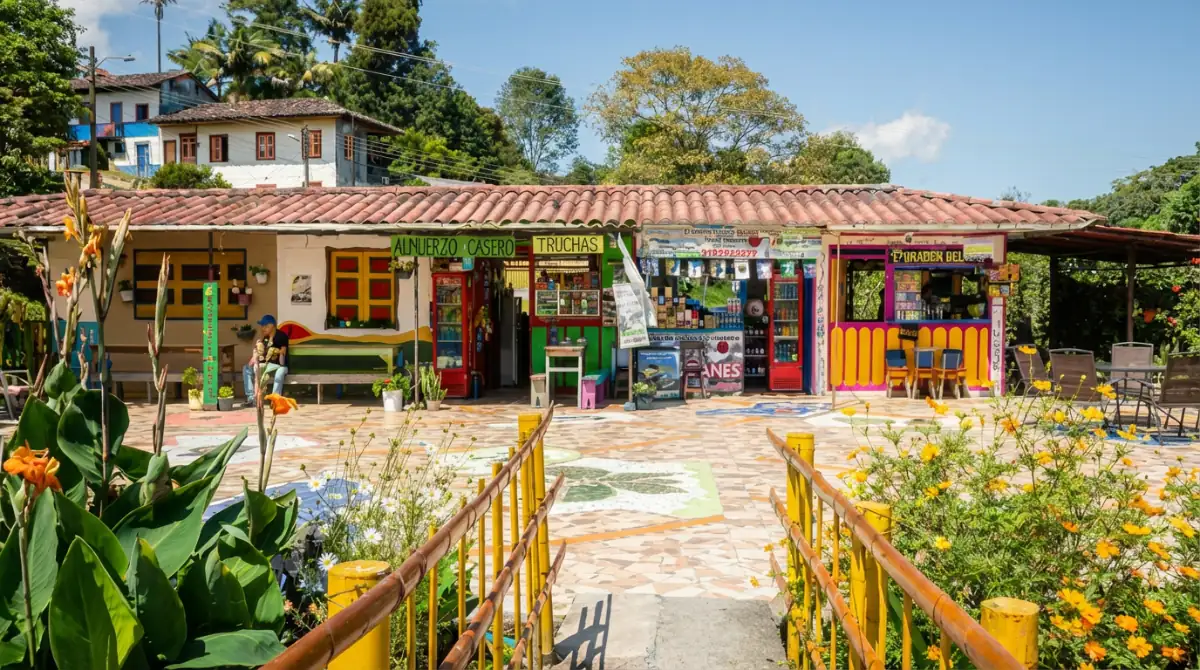
The Eje Cafetero spans the departments of Quindio, Risaralda, Caldas, and parts of Valle del Cauca. Wax palms that grow to 60 meters tower over hiking trails in the Cocora Valley. Small-batch farms open their doors to visitors who want to understand coffee at its source, not just in a cup.
It is a region that takes multiple days to do properly. And rewards every one of them.
History
Older than you think. Deeper than you expect.
Colombia has 9 UNESCO World Heritage Sites. Most visitors can name one. The full list reads like a civilization in full:
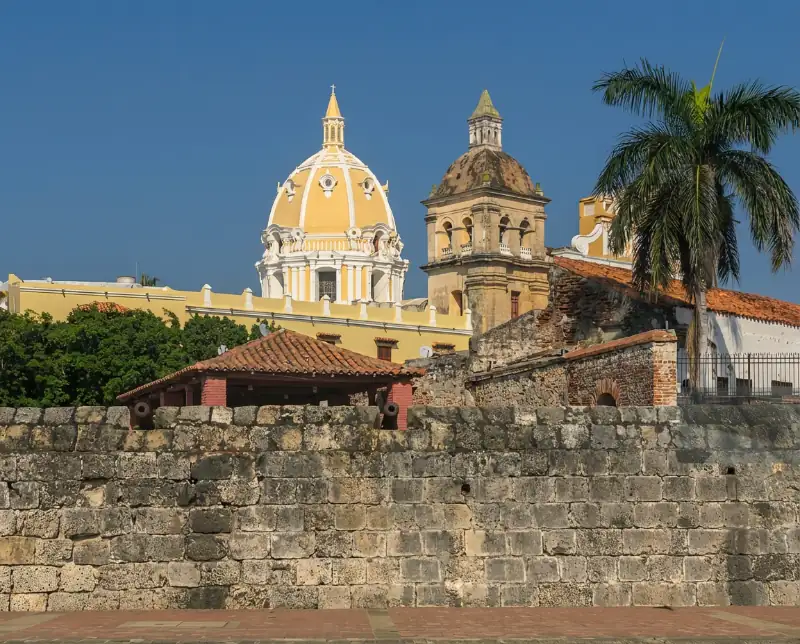
The walls of Cartagena de Indias
The most complete Spanish colonial fortification in Latin America, declared a heritage site in 1984. Walking them at sunset is a different thing from reading about them.
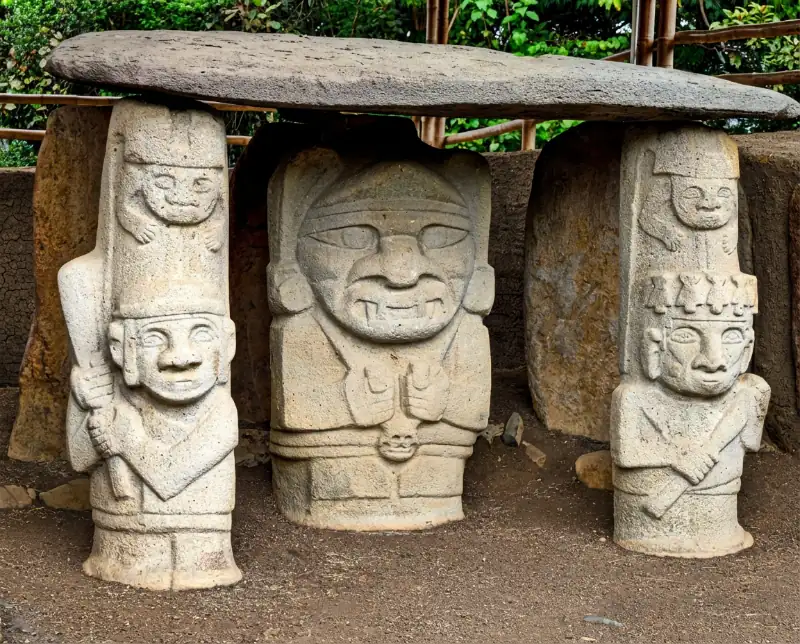
The San Agustin Archaeological Park
The largest collection of pre-Columbian monumental statues in South America. Hundreds of stone figures carved between the 1st and 8th centuries, standing in a landscape of river canyons and Andean cloud forest.
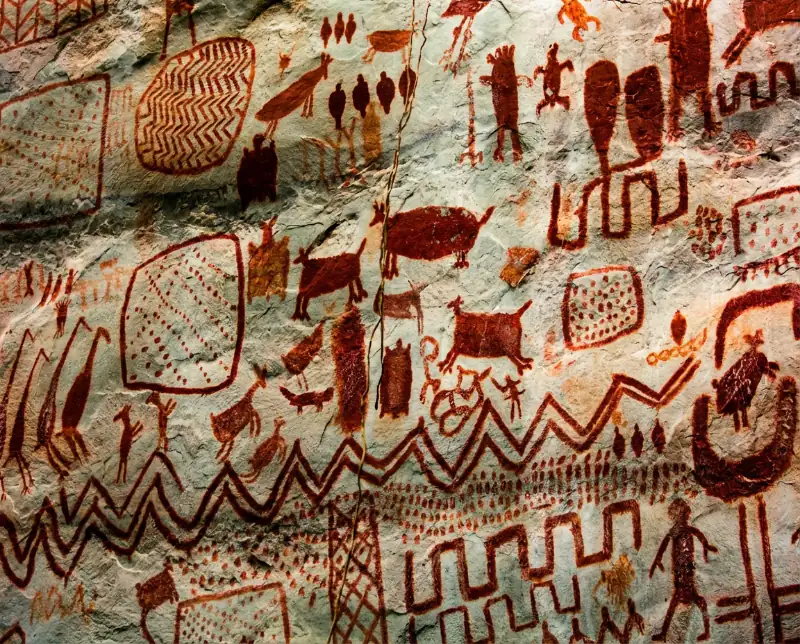
Chiribiquete National Park
Colombia's largest national park and the site of the world's largest collection of ancient rock art, with evidence of human presence going back tens of thousands of years. Deep in the Amazon region.
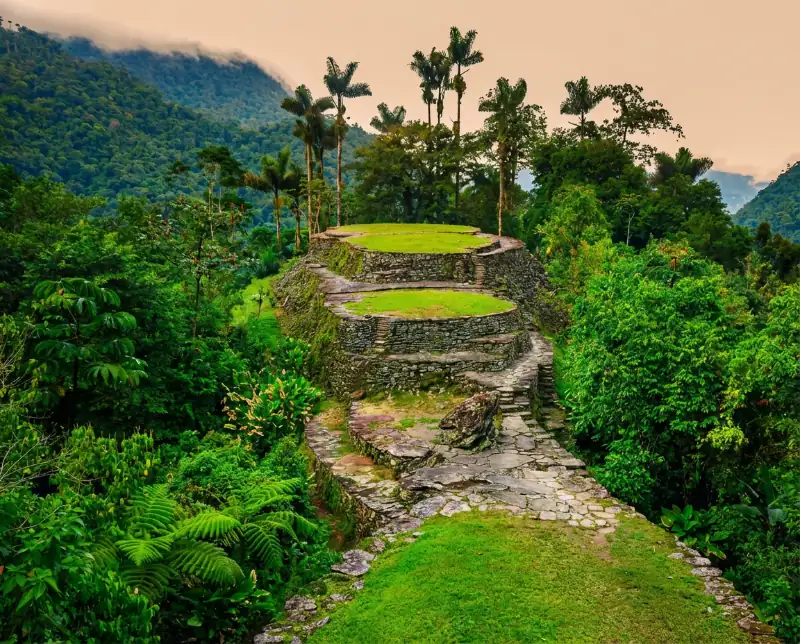
Ciudad Perdida, the Lost City
Built by the Tayrona civilization around 800 AD. It predates Machu Picchu by more than 650 years. Reachable only after a multi-day jungle trek through the Sierra Nevada de Santa Marta. One of the most significant and rewarding pre-Columbian sites in the Americas.
The ruins of Ciudad Perdida are still sacred to the indigenous communities of the Sierra Nevada: the Kogui, Wiwa, and Arhuaco, who never considered the city lost.
Music
The country that gave the Americas its rhythm.
Cumbia was born on Colombia's Caribbean coast. A fusion of African, Indigenous, and Spanish elements forged during the colonial era, it became the mother rhythm of an entire hemisphere. Almost every Latin American country has developed its own version of cumbia. All of them trace it back here.
From the same coast: vallenato. Accordion-led storytelling music recognized by UNESCO as Intangible Cultural Heritage of Humanity in 2015. The Festival de la Leyenda Vallenata in Valledupar every April is one of the great music festivals on the continent.
In Cali, salsa took root in the 1960s and evolved into something entirely its own. Faster footwork, smaller movements, a style that has nothing to do with New York or Puerto Rico and everything to do with the Pacific-facing neighborhoods where it developed.
In the Afro-Colombian communities of the southern Pacific, marimba music carries traditions UNESCO also recognized as Intangible Cultural Heritage, connecting living culture to African ancestry through sound that has outlasted centuries of displacement.
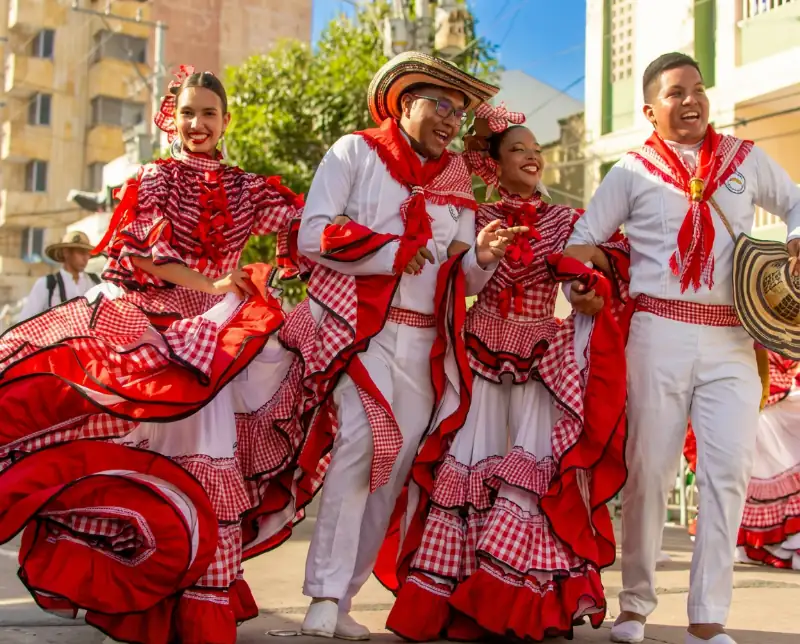
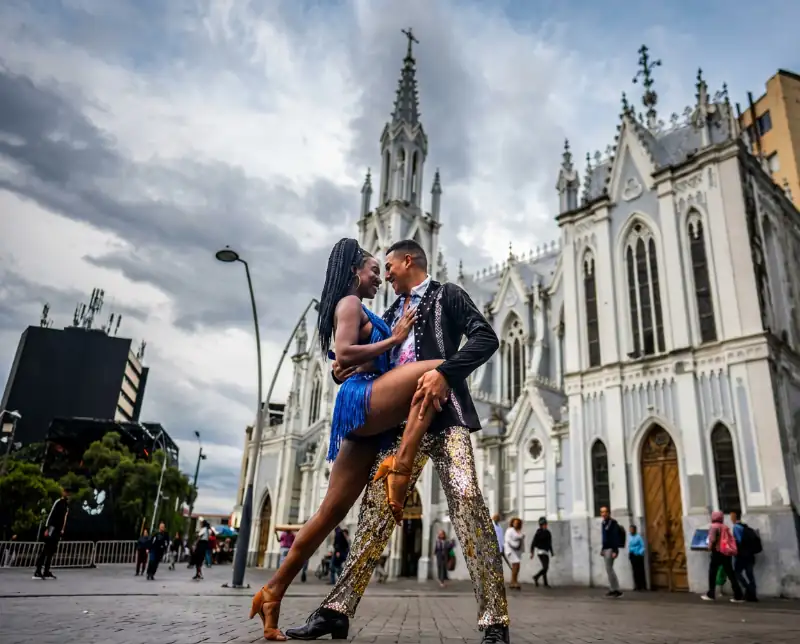
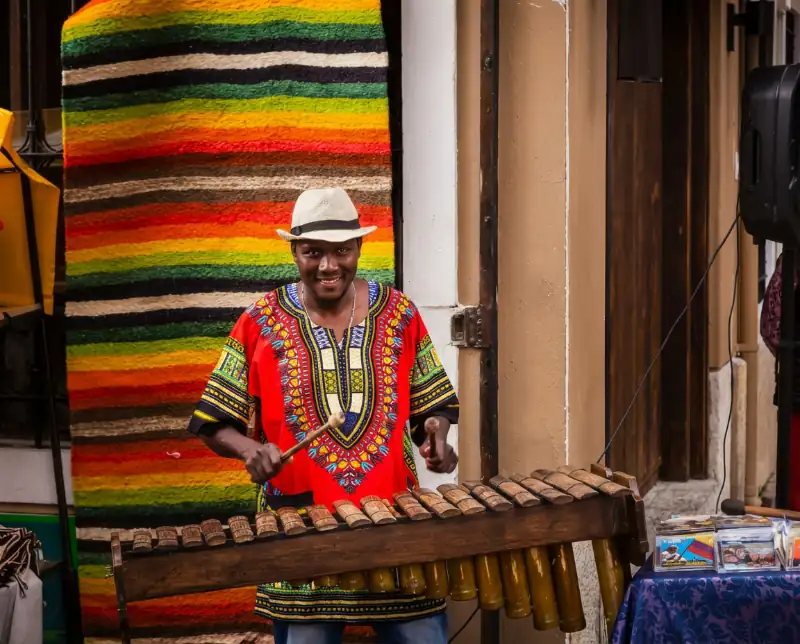
Colombia also happens to produce some of the most globally successful pop artists in the world. But that is a different conversation.
Food
Colombian food does not surprise you. It converts you.
Every region of Colombia tells its own story through what it puts on the table. This is not a uniform cuisine. It is a living archive of geography, history, and ancestry.
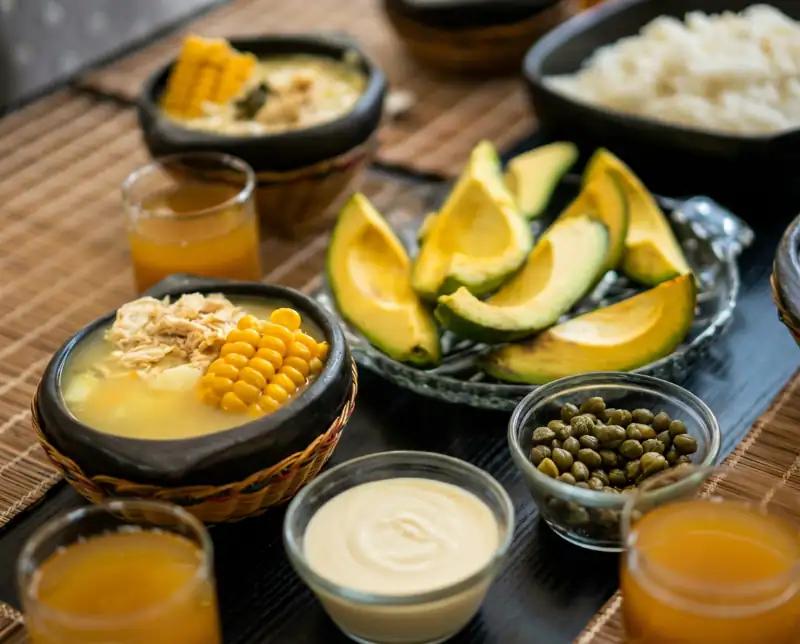
In Bogotá, there is ajiaco. It is made with chicken, three varieties of native potato, corn, and guascas an herb that grows only in the Colombian highlands. It predates the colonial era. I have never met a single bogotano who does not love it. It is one of those dishes that carries a city’s identity in every bowl, the kind of thing people grow up eating at their grandmother’s table and never stop missing when they leave.
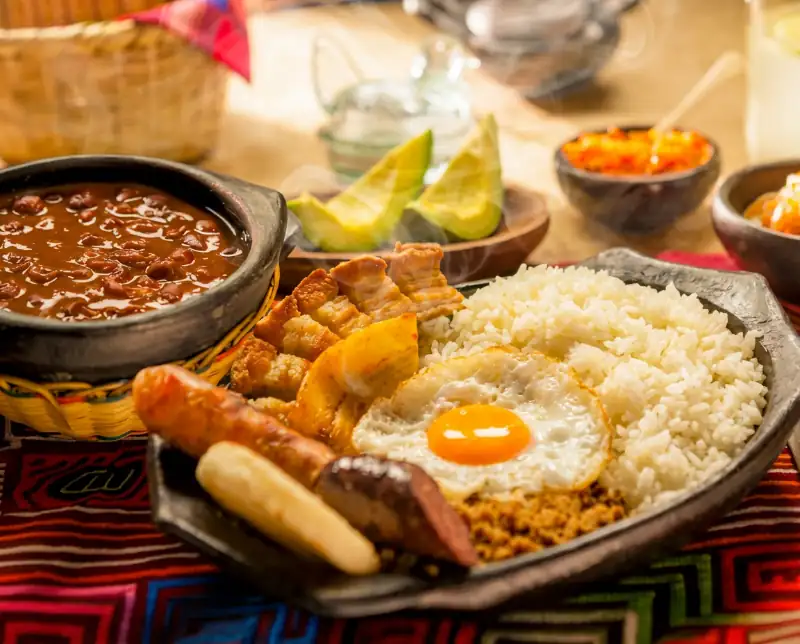
In Medellin and Antioquia, the bandeja paisa is abundance made philosophy: beans, chicharron, ground beef, chorizo, rice, egg, avocado, arepa. Not a restaurant dish. The plate of the people who built these mountains.
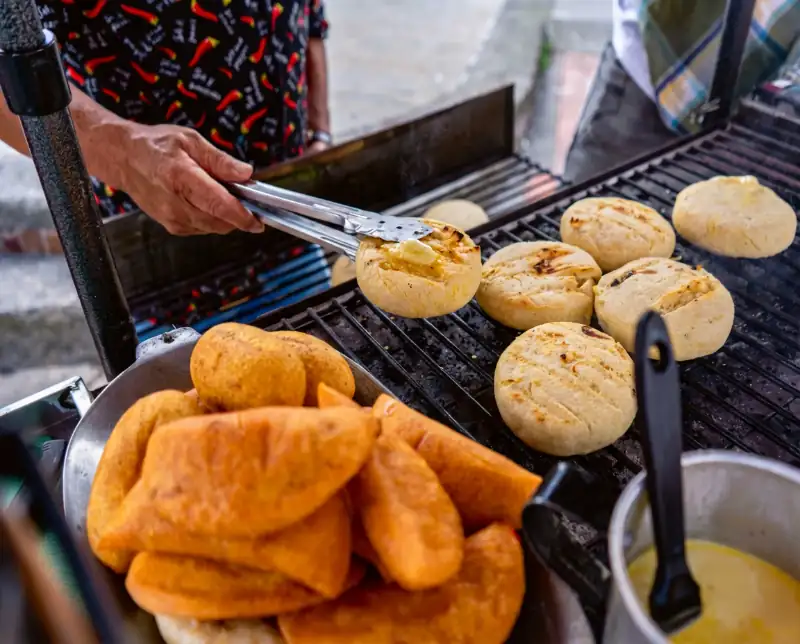
And then there are the arepas. The arepa has deep roots across the region, its history stretches back to the days of the Gran Colombia, when it became a staple across what is now Colombia, Venezuela, and Ecuador. In Colombia, what makes the arepa remarkable is its diversity: arepa de choclo in the coffee region, arepa e’huevo on the Caribbean coast, the white corn arepa antiqueña in Medellín, arepa de maíz peto in Santander. Nearly every department has its own version. It is one of the clearest expressions of how diverse Colombian food culture really is the same base ingredient, reimagined dozens of ways across a single country.
The Colombian Pacific has perhaps the most singular cuisine in the country: a gastronomy that unites Afro-Colombian and Indigenous ancestry with the richness of the sea and the rivers. Fish, seafood, plantain, coconut. Techniques and flavors with no equivalent anywhere else.
In the Llanos Orientales, the asado llanero and mamona are a category of their own: beef cooked over open coals for hours in open country, a cattle tradition that is also a social act and something close to ritual. And for the genuinely adventurous: hormigas culonas from Santander, toasted leaf-cutter ants with 500 years of culinary history in the region.
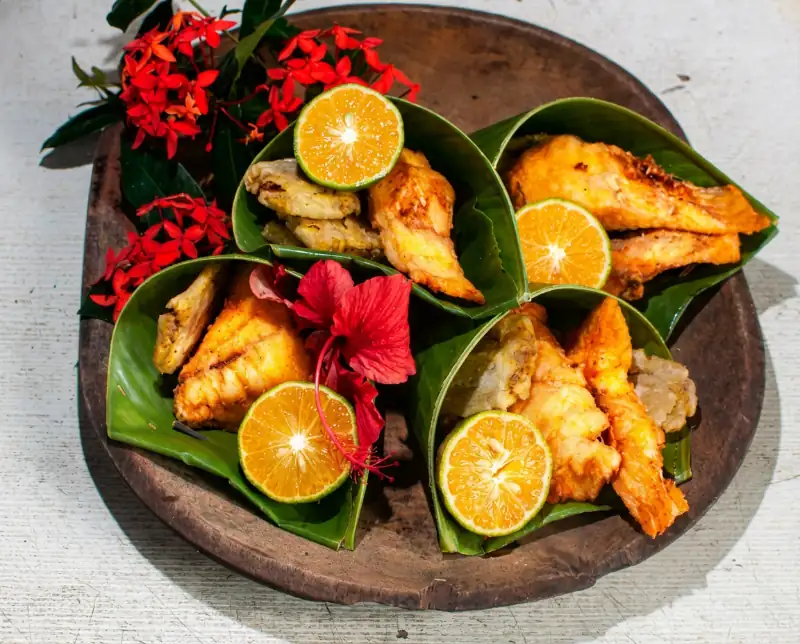
Bogotá is a serious culinary capital. Restaurants like El Chato, Leo, and Celele have earned places on Latin America’s 50 Best Restaurants, recognition that would surprise anyone who still thinks of Bogotá as just a stopover. Cartagena has built a dining scene that goes far beyond the tourist circuit. But Colombian gastronomy lives beyond the acclaimed restaurants too. It is in the markets at dawn, the roadside fondas, the homes where families still cook what their grandmothers cooked. The whole spectrum is worth exploring..
Colombia is one of those countries where eating well does not require a budget. It requires curiosity.
Recognition
What the world is saying. Finally.
Colombia has appeared on nearly every major international travel list in recent years:
Named Medellin to its Best of the World 2026 list and has featured Colombia's Pacific, Amazon, and Caribbean in multiple editorial features.
Recognized Colombia as the most beautiful country in Latin America.
Included Cartagena in its best destinations for 2026.
Colombia is not emerging anymore. It has emerged. What is still available is the version that has not been overrun yet.
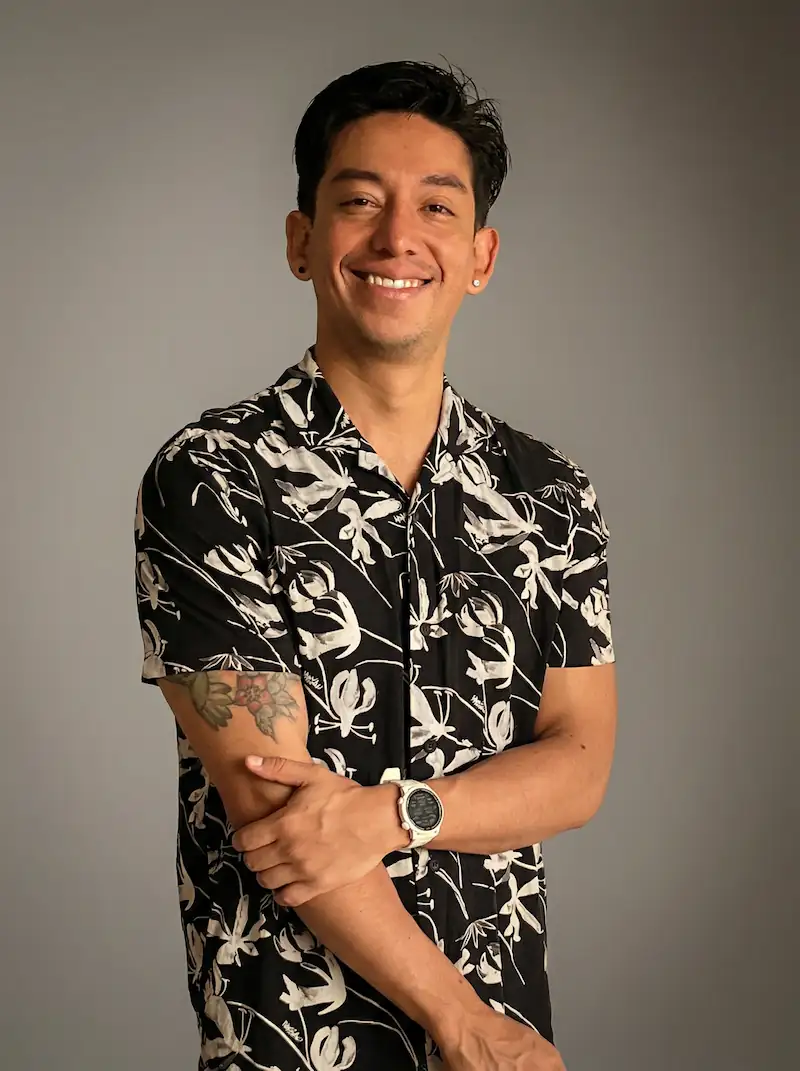
A note from Raul
I have lived in this country my whole life. I am still finding new reasons to love it.
I have taken guests to Tayrona and watched them go quiet at the first view of the sea through the palms. I have seen people taste a mango on the street in Cartagena and not know what to do with themselves. I have had guests come back from Nuqui and tell me they saw something on that boat that they cannot find words for.
Colombia earns its reaction.
What I want you to know, before the itinerary and before the logistics, is that this is a real country with a real character. Not a backdrop for your photos. Not a discount version of somewhere else. A place with its own genius, its own wounds, its own music, its own way of being generous with the people who arrive curious.
That is what we are here to show you.
Let's Plan Your Colombia Journey
Tell me where your head is. We'll take it from there.
Start the conversation